CITIZEN Cal. F was developed as CITIZEN’s first men’s watch. Although designed for men, it does not feel bulky or thick like typical manual-winding watches, instead presenting a modern and smart overall impression.
The bold, flat hairline surface on the top of the case stands out, while the polished sides of the case create a soft effect, resulting in a clean and elegant look. Additionally, the exquisite combination of two colors on the dial gives it a stylish impression.
Fine lines are incorporated into the hands and fonts, achieving a delicate balance of tension and lightness.
Its sophisticated and light appearance, which also reflects the trends of the time, still feels fresh today.
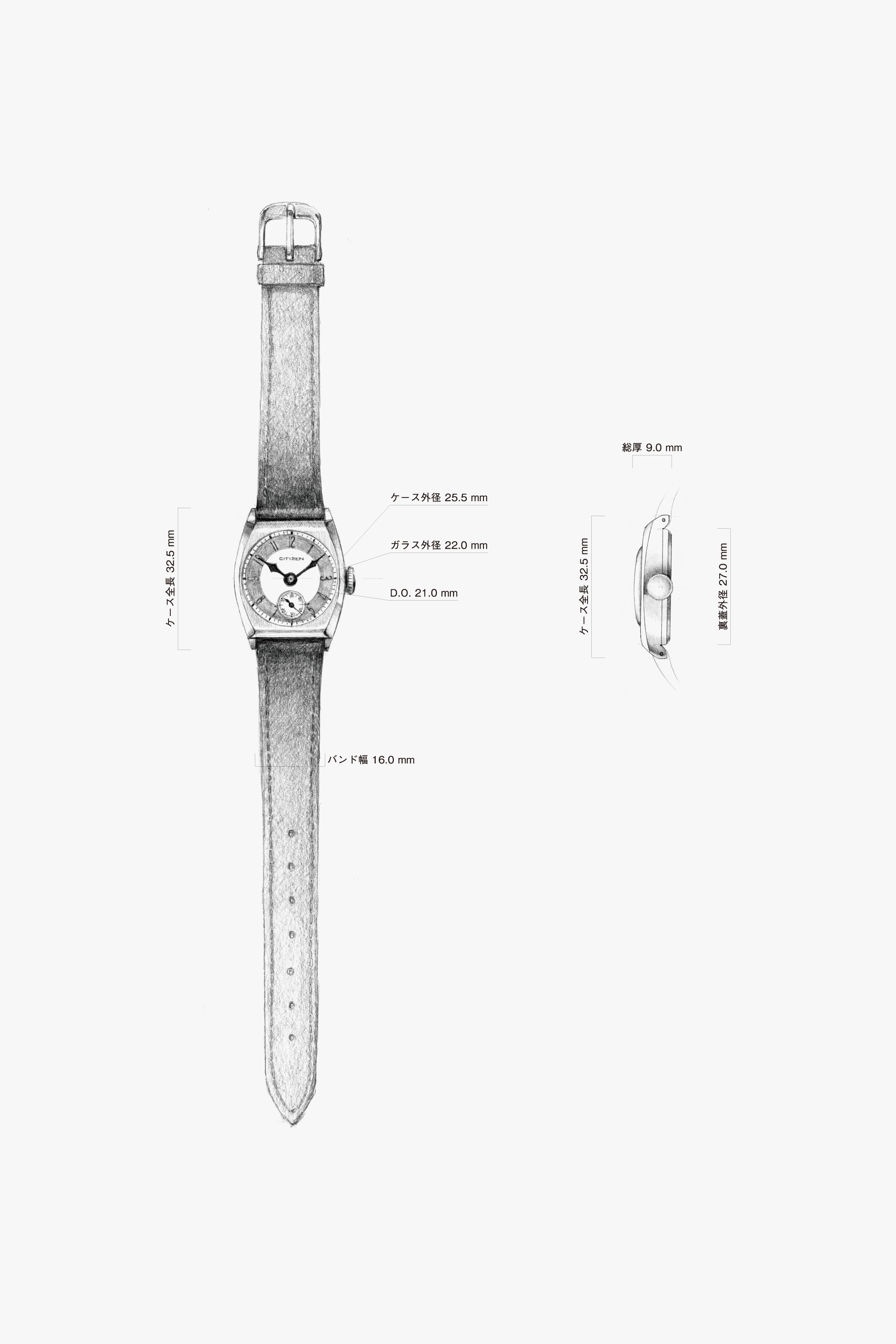
The polished sides of the case emphasize the vertical direction, creating a smart atmosphere. The box glass adds softness to the beautifully ridged case.
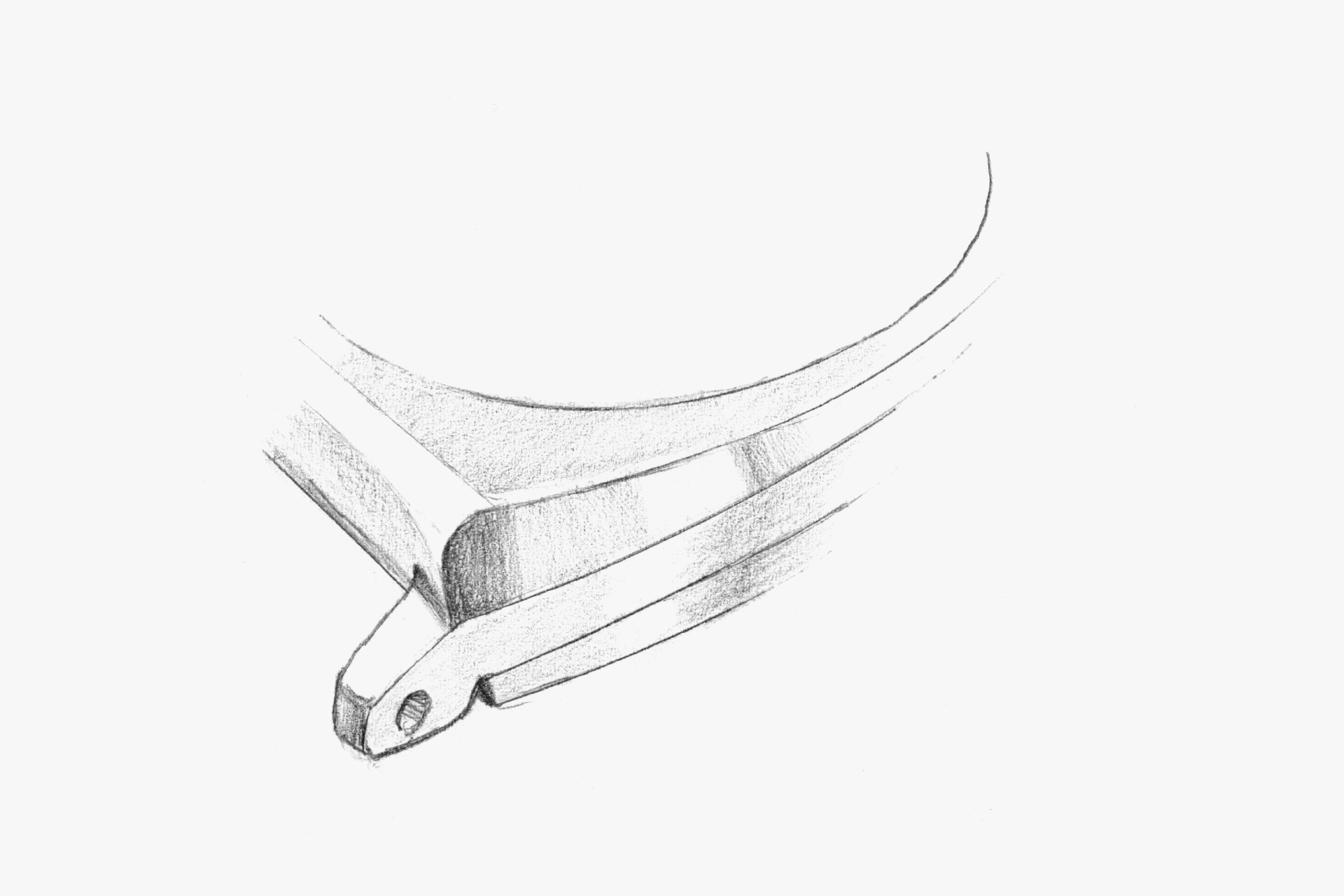
The top of the case is a flat surface with a hairline finish. The polished slanted sides of the case make it appear smaller, and the changing width of the surfaces gives a sense of elongation.
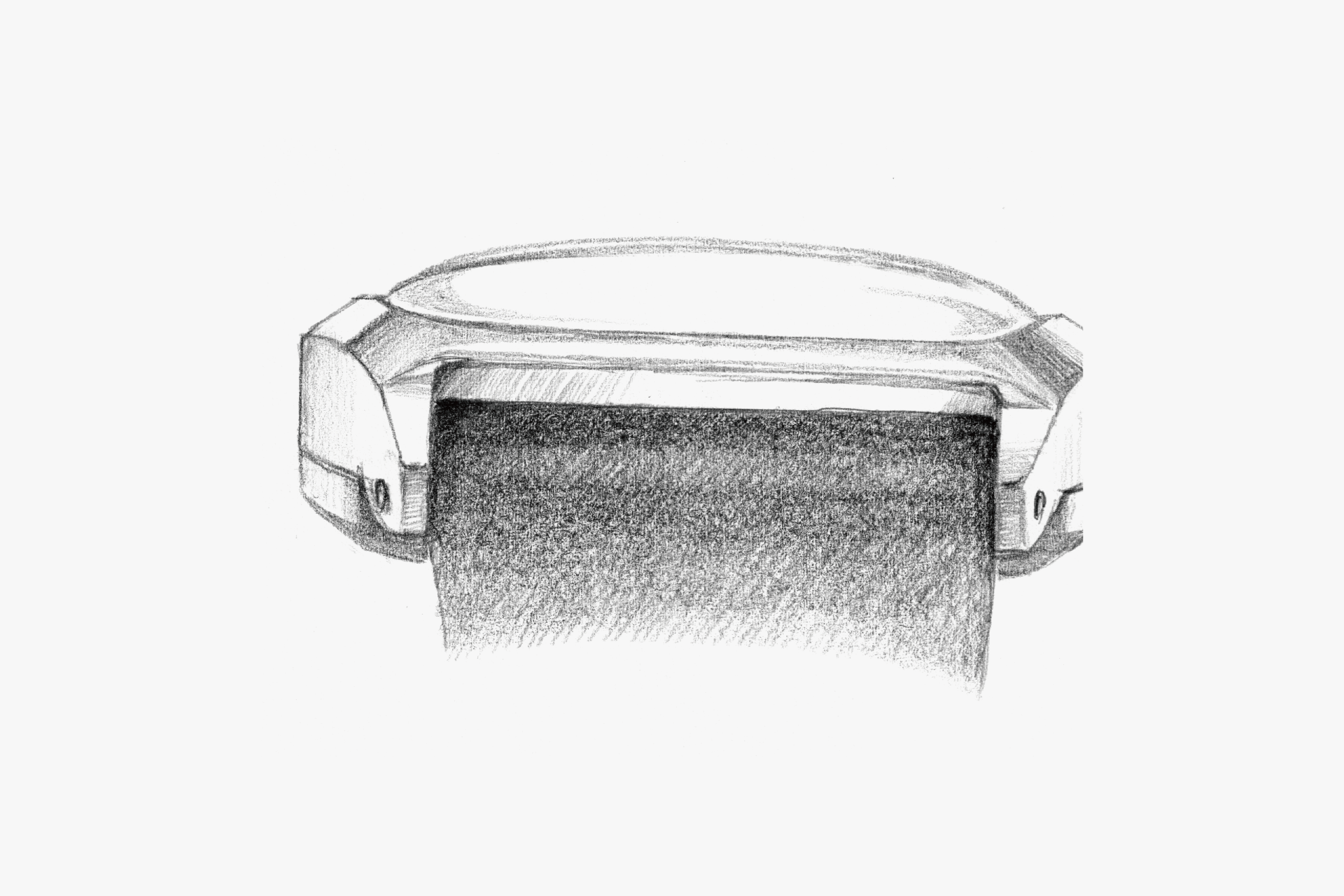
The gentle curve of the box glass flows seamlessly into the case, creating a comfortable and generous surface.
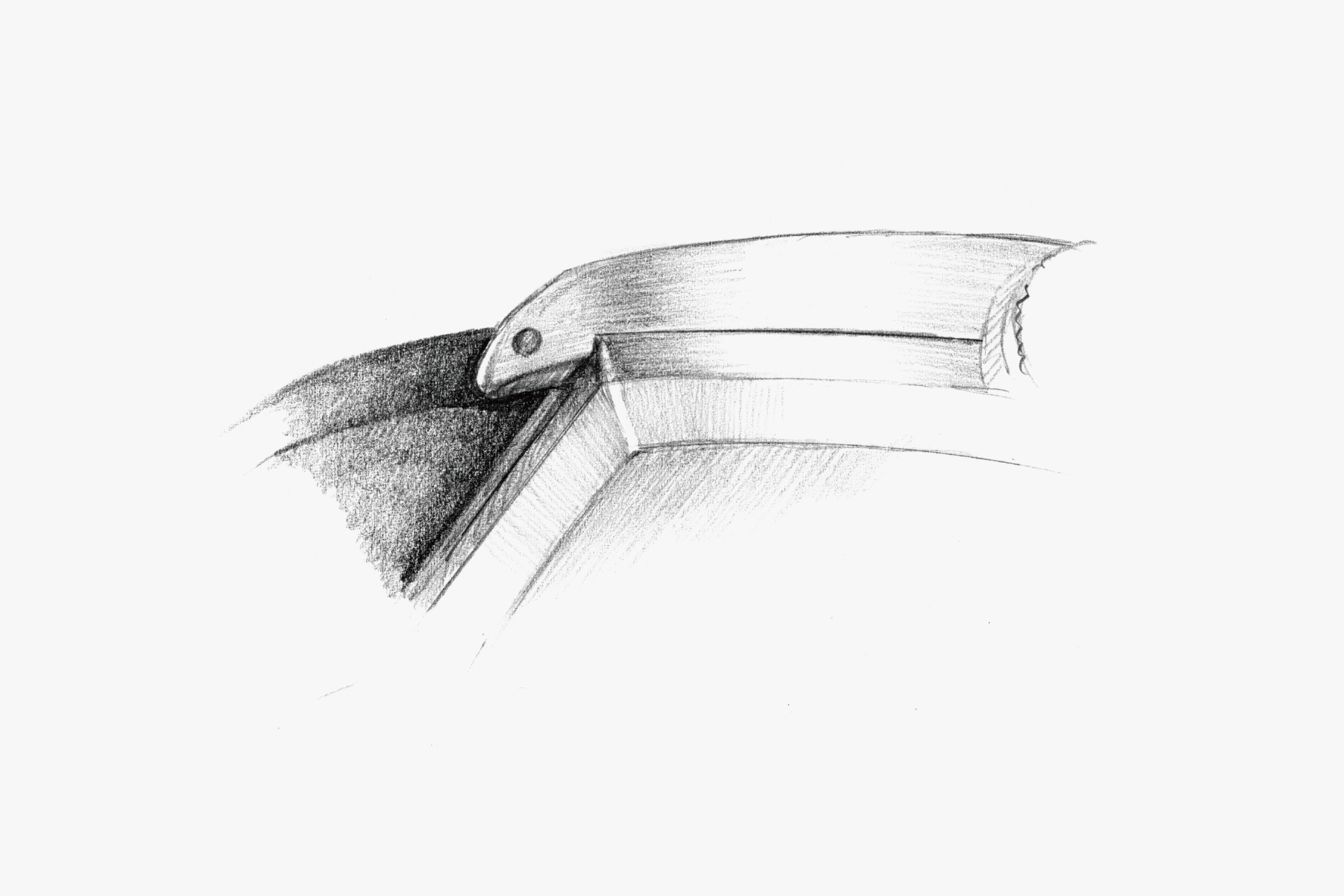
The joint between the case and the case back connects seamlessly, giving a clean impression.
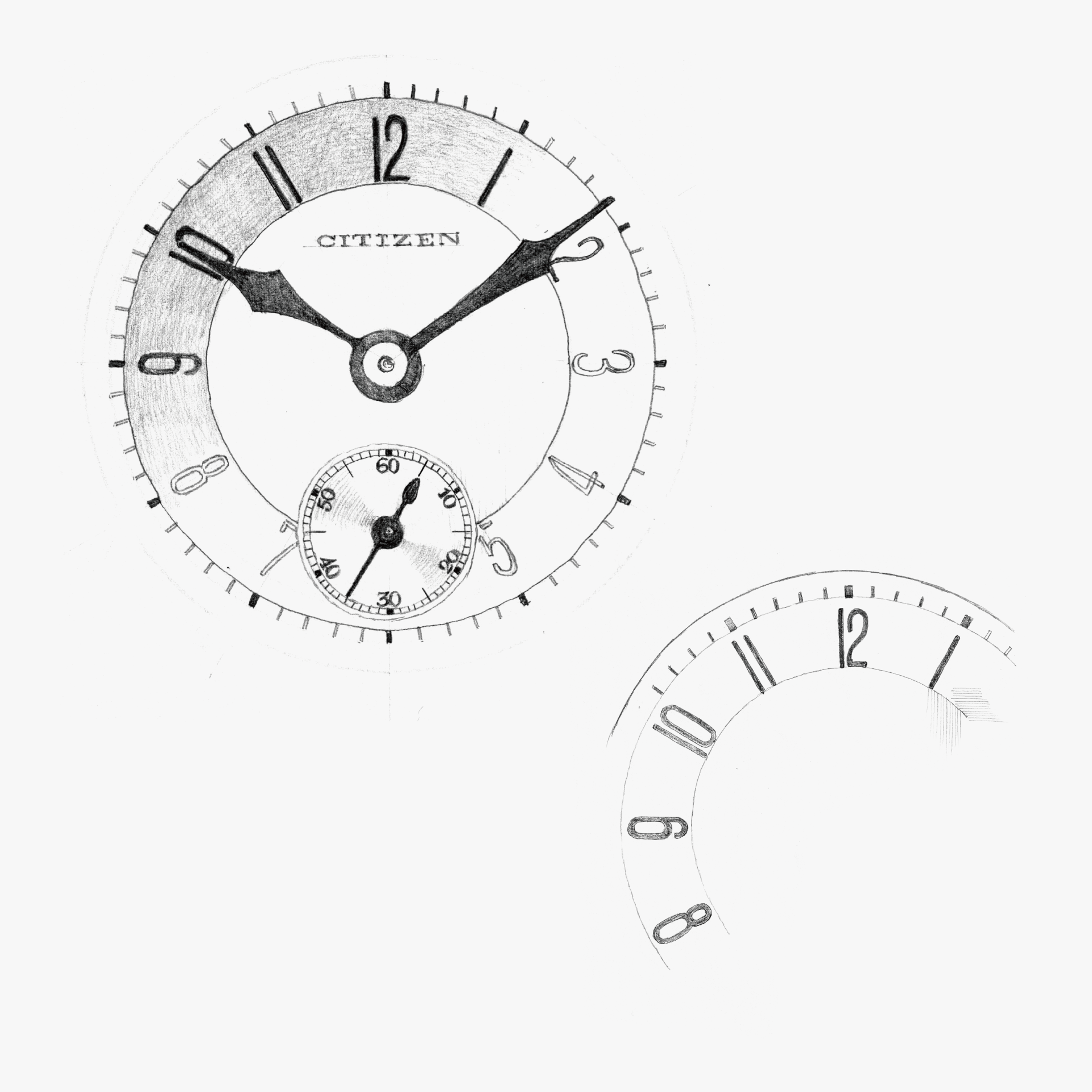
The tall, slender Arabic font creates a refined beauty. The dial uses variations in color and finish to evoke a modern and stylish atmosphere.
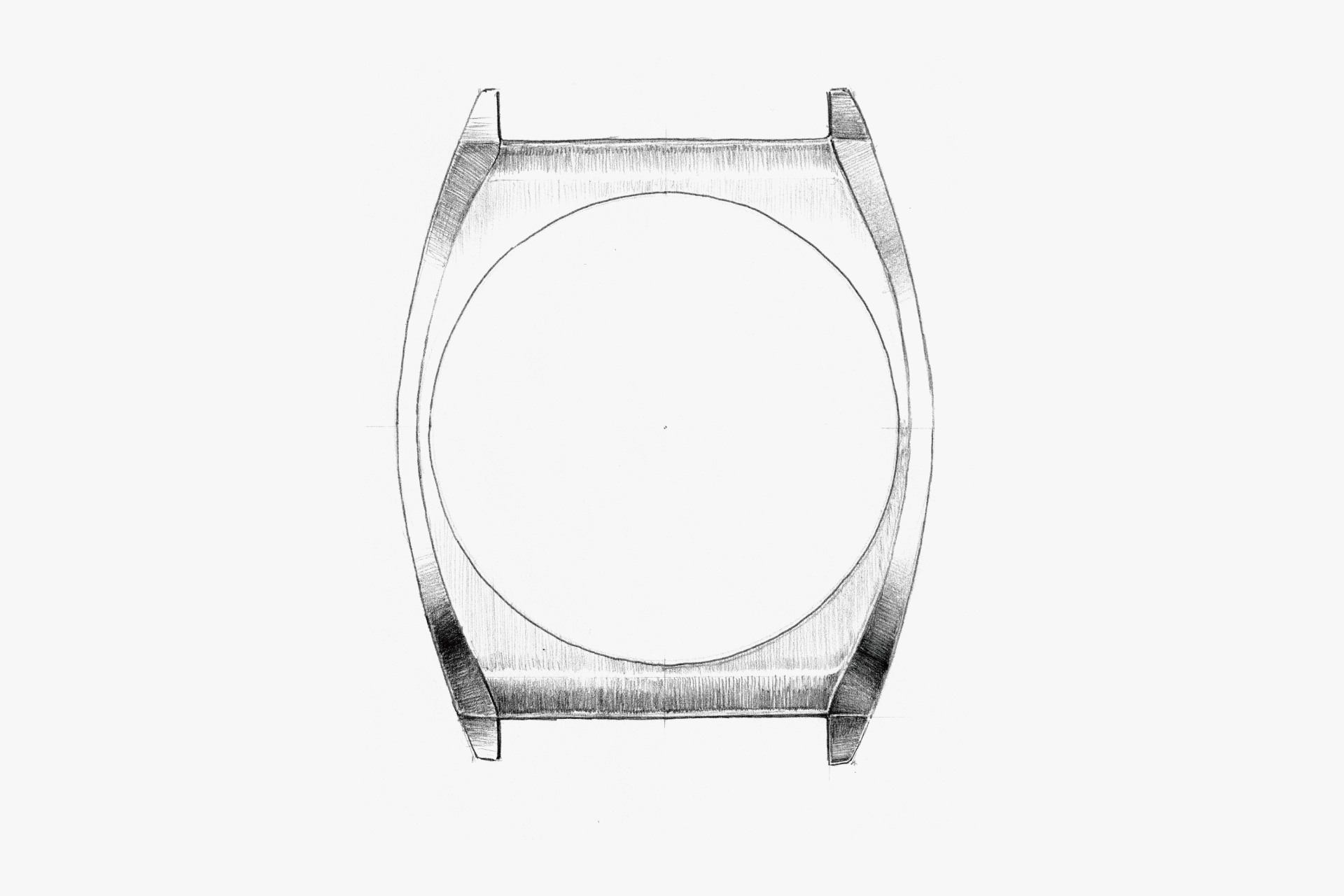
The clear contrast between the hairline and polished finishes creates a form that emphasizes the vertical flow.
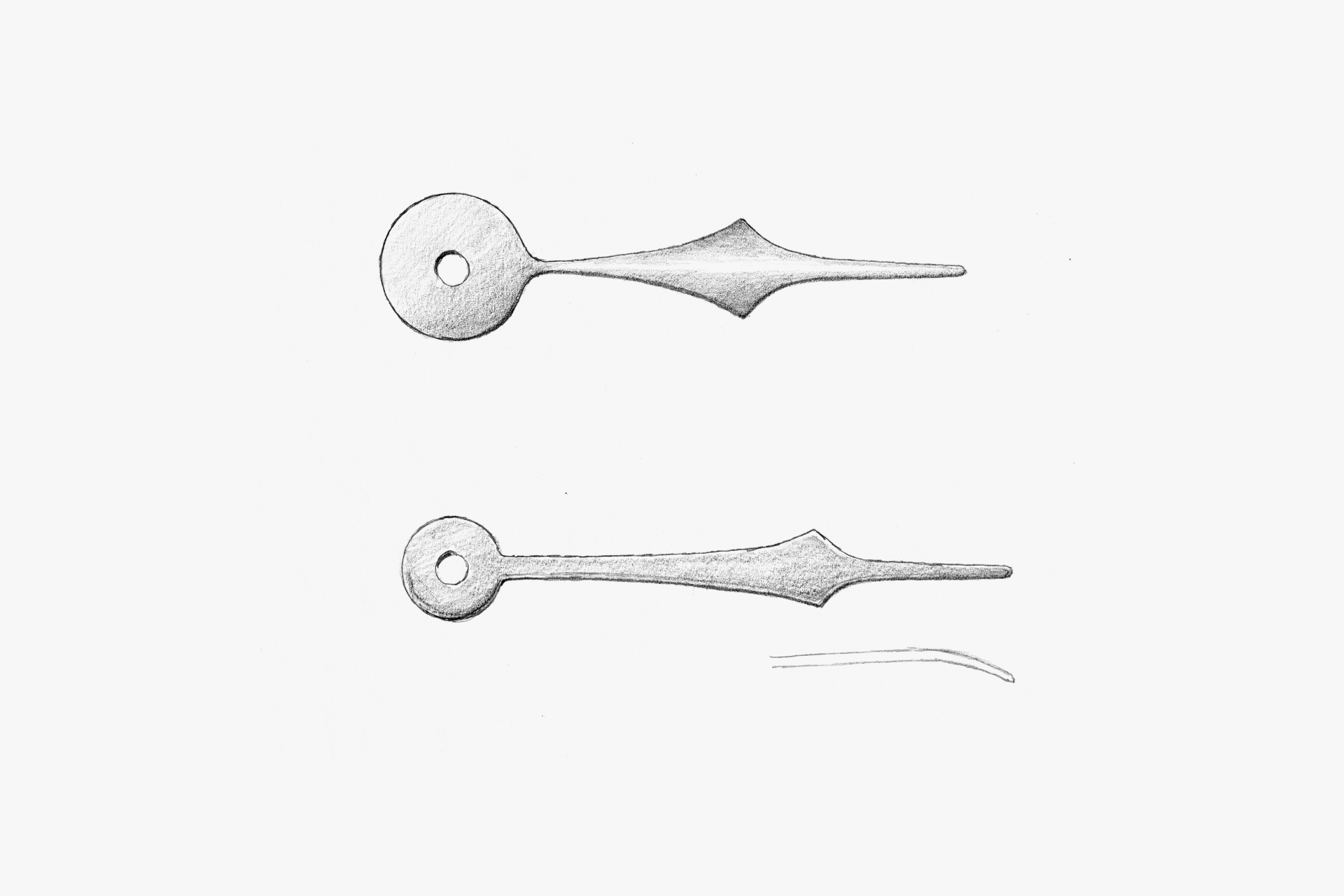
Although the difference in length between the hour and minute hands is small, the longer hands give an elegant feel. The tips of the hands are gently curved. The base of the hour hand is extremely thin, and the varying curves express both grace and lightness.
ENGINEER'S EYE
Roaring Era Watch
1931. The scenery of Tokyo, rebuilt after the Great Kanto Earthquake, had been transformed. With the full-scale arrival of a modern consumer culture, people were seeking watches, and the 10½‑ligne Cal. F was rushed into production.
It is said that CITIZEN then had a devoted engineer who declared, “I was born to make domestically produced watches,” and the speed and sensibility of their development were truly befitting the Roaring Era. The gear train layout was the very definition of the standard two-hand small second structure, yet there were multiple bridge designs; in some, the area around the third wheel was boldly opened up and given a three-dimensional treatment. The exterior design also evolved into decorative styles that incorporated trends from imported pieces.
In addition to tonneau types, period catalogs also show lugless types—which the postwar designers of the X-8 and Andes could be said to have “rediscovered.”
At first, the model struggled against imports, but sales gradually grew. It is an unforgettable watch that supported CITIZEN for a long time into the postwar years.