As Japan’s first electronic watch, there was a strong conviction that it would become a historic timepiece, and you can sense the designers’ determination to create a design with significant impact. As intended, it became a model that is unforgettable after just one look.
At the time, the starting salary for a new university graduate was about 30,000 yen, which was roughly the same as the price of this model. Nevertheless, it gained popularity and left a lasting impact on CITIZEN’s history.
Not only was it impactful, but it also featured thoughtful touches such as making the watch appear smaller and thinner, and hiding the crown within the case silhouette—demonstrating that the essential qualities required of a watch were not forgotten, which is also commendable.
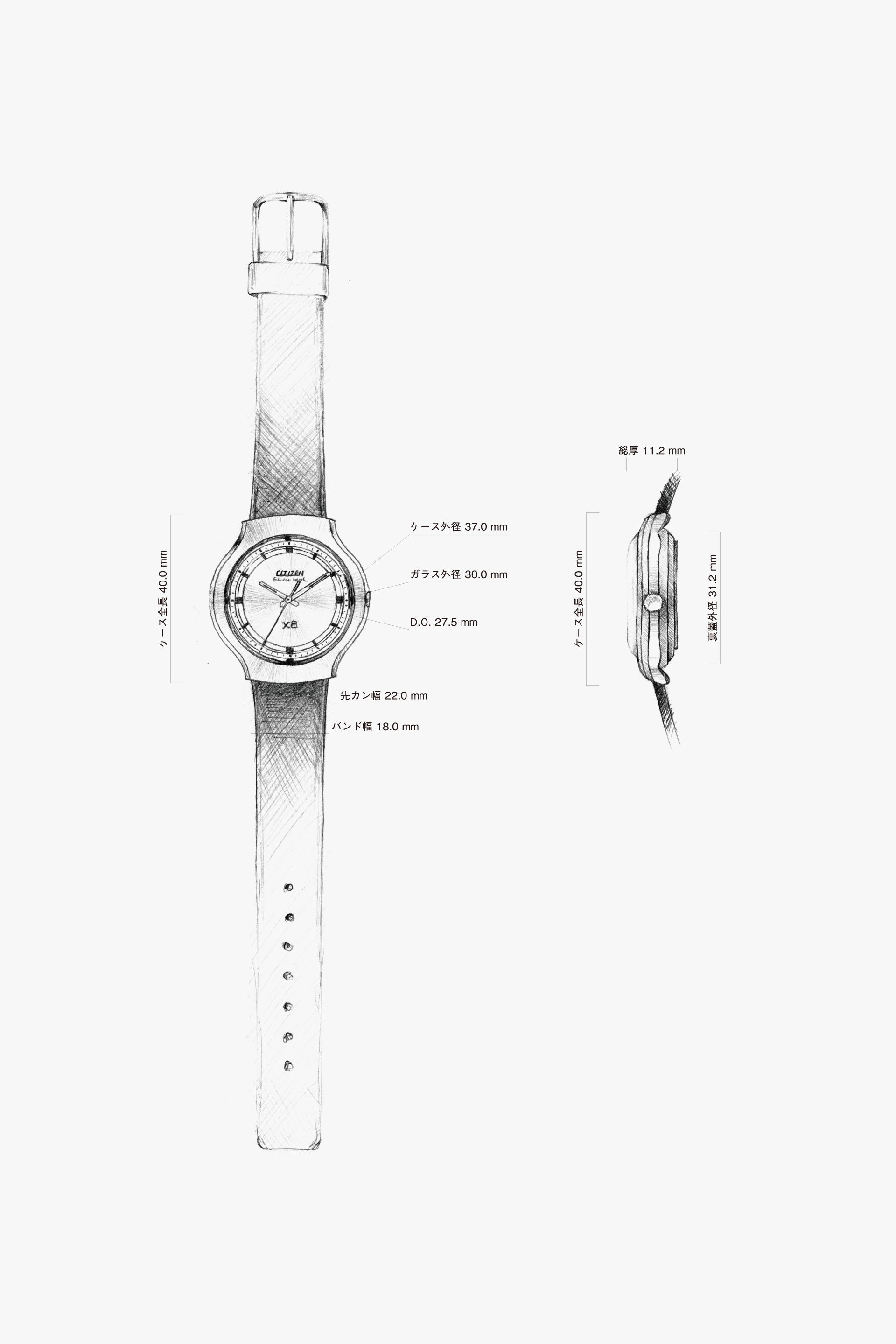
The case is ingeniously designed so that the band attachment points are not visible from the outside. By applying a sunray hairline finish only to the top surface of the case, the distinctive top shape stands out even more. While the desire was to make it look thin, the band attachment needed thickness, and the resulting balance is reflected in the shape of the lugs.
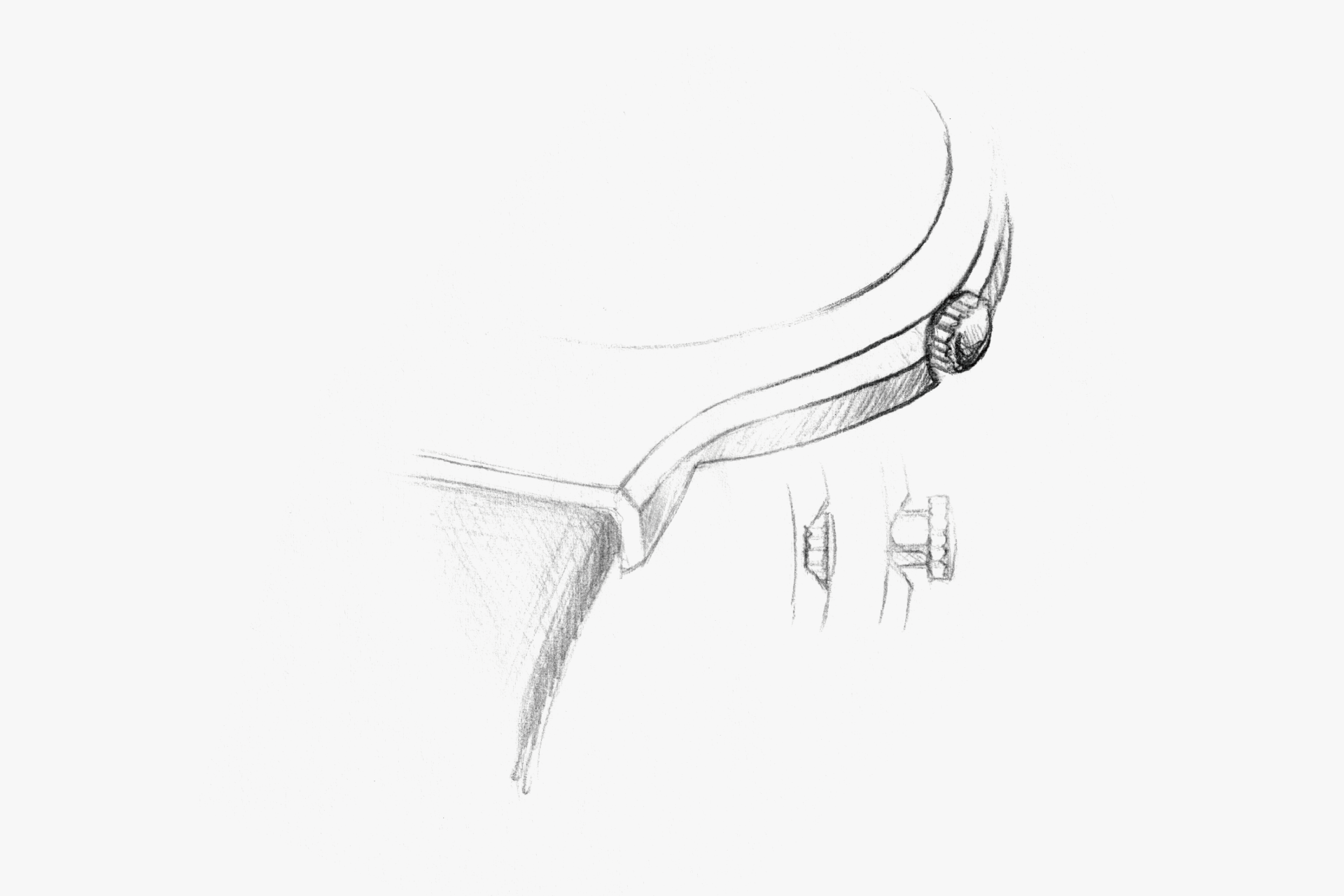
The thin crown is unobtrusive and fits perfectly into the case silhouette.
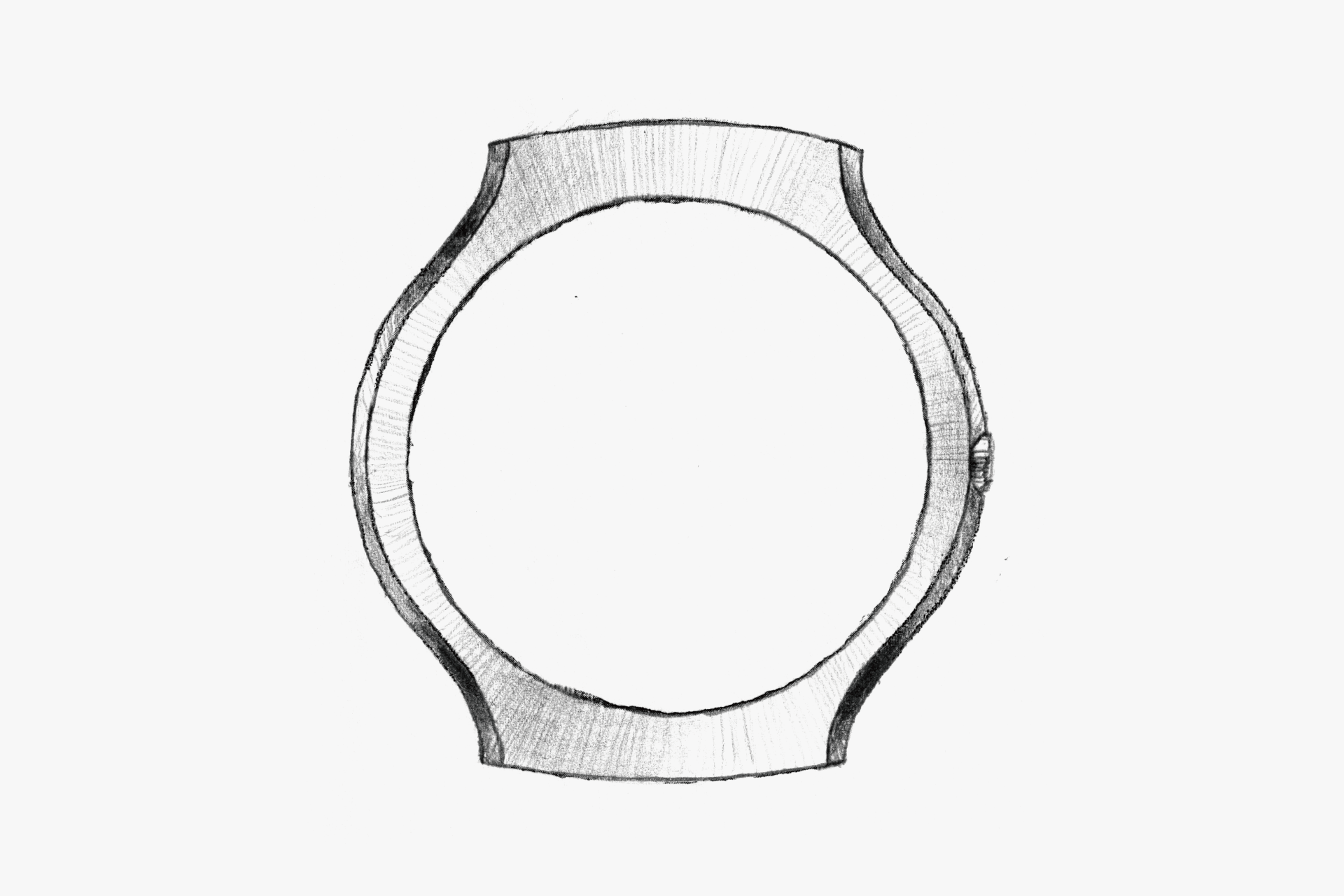
By using a sunray hairline finish only on the top surface and a polished finish on the other areas, the distinctive silhouette is further accentuated.
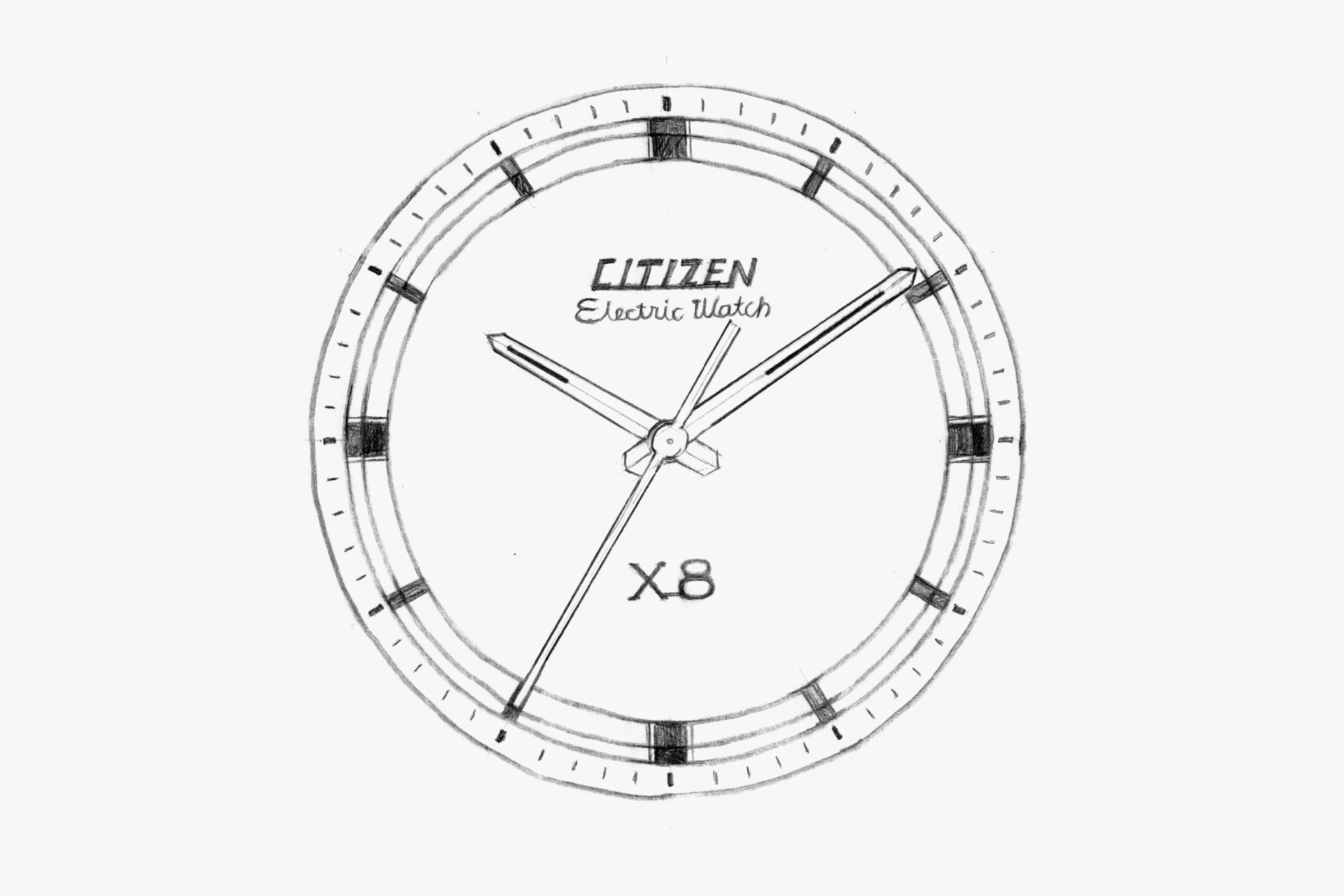
While the dial is simple compared to the distinctive case, the three-dimensional dial ring provides just the right accent.
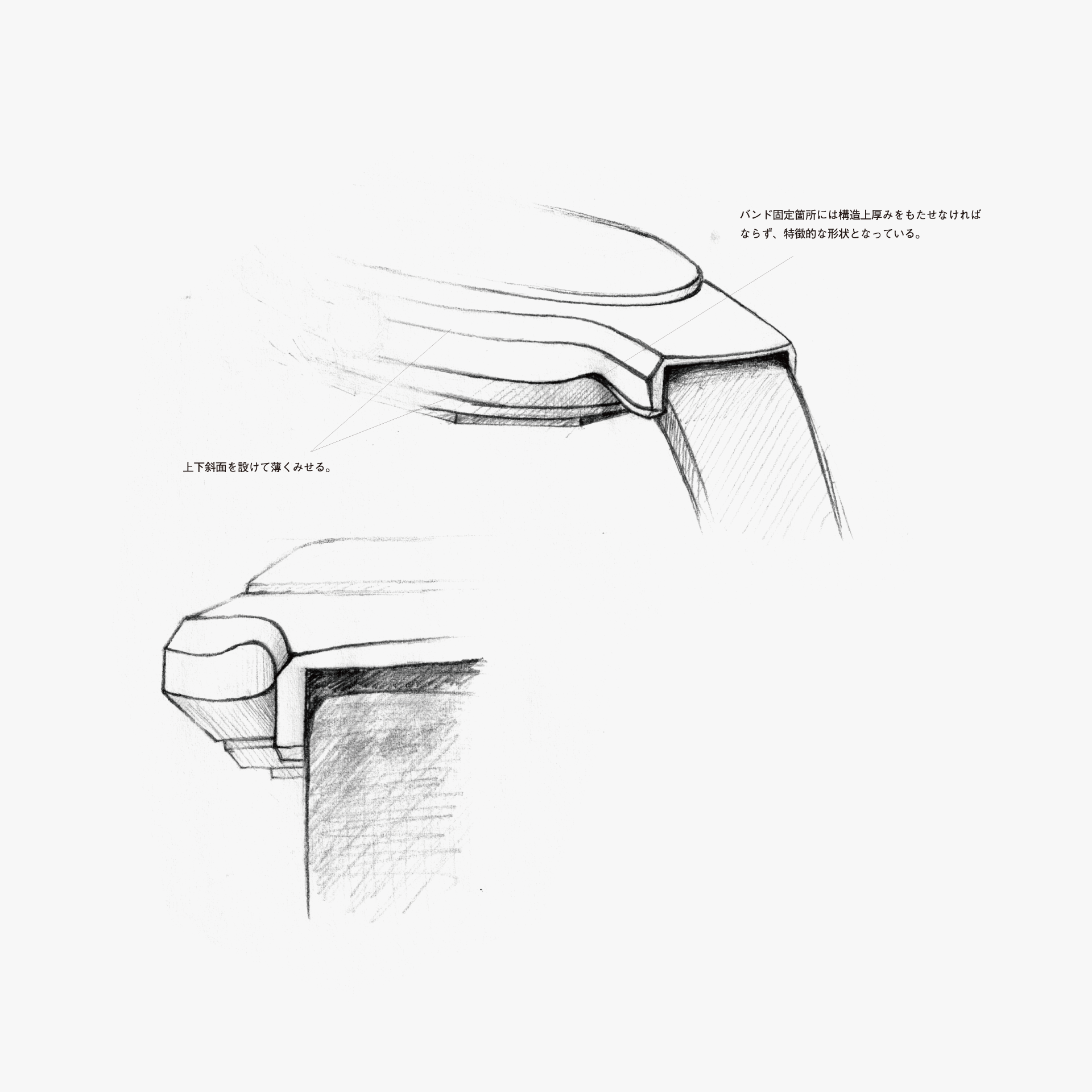
The effort to make the watch appear thinner is reflected in the case shape. The domed box glass matches the organic case perfectly.
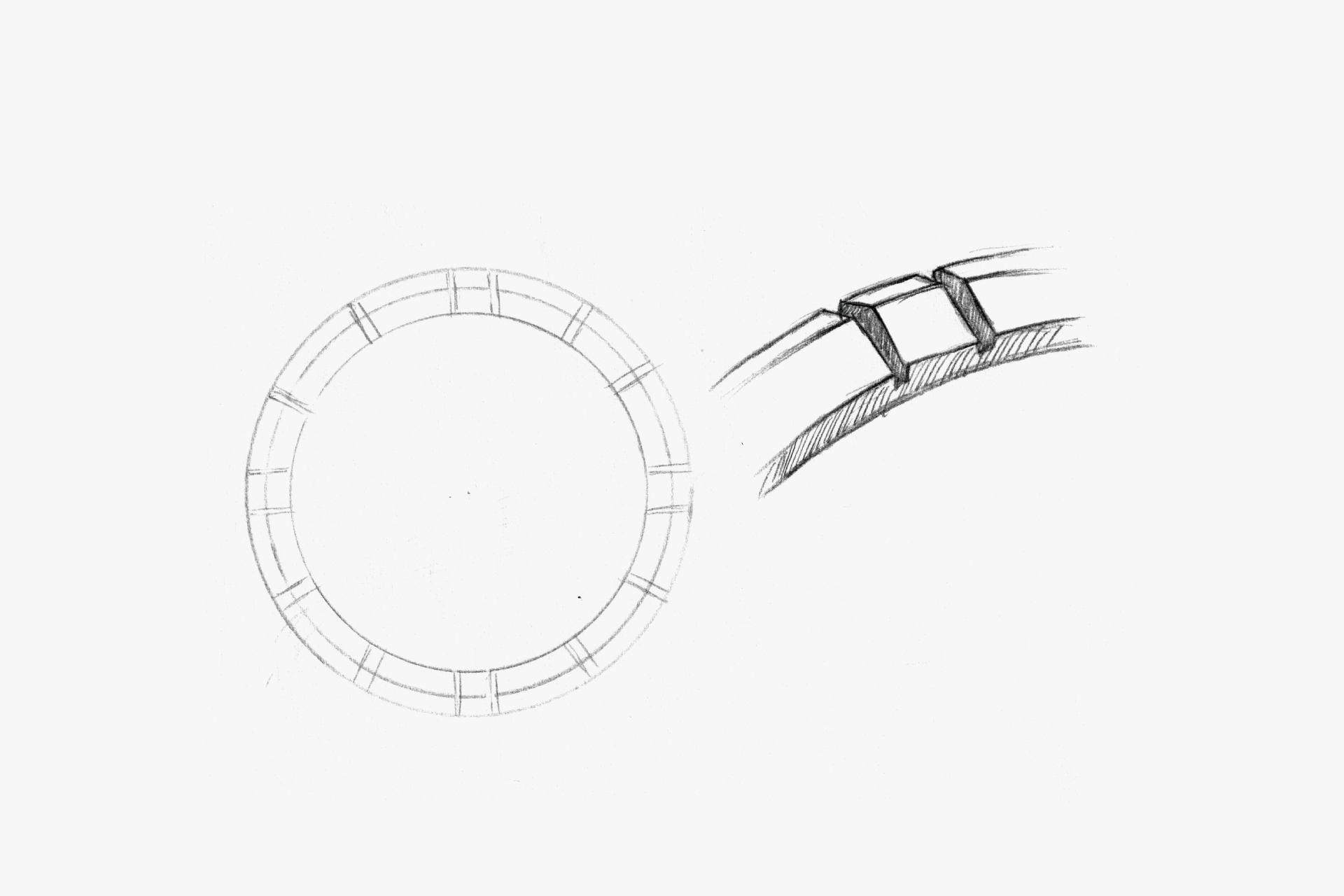
Only the 12, 3, 6, and 9 o’clock positions on the dial ring are marked, adding a subtle element to the simplicity and harmonizing well with the distinctive case.
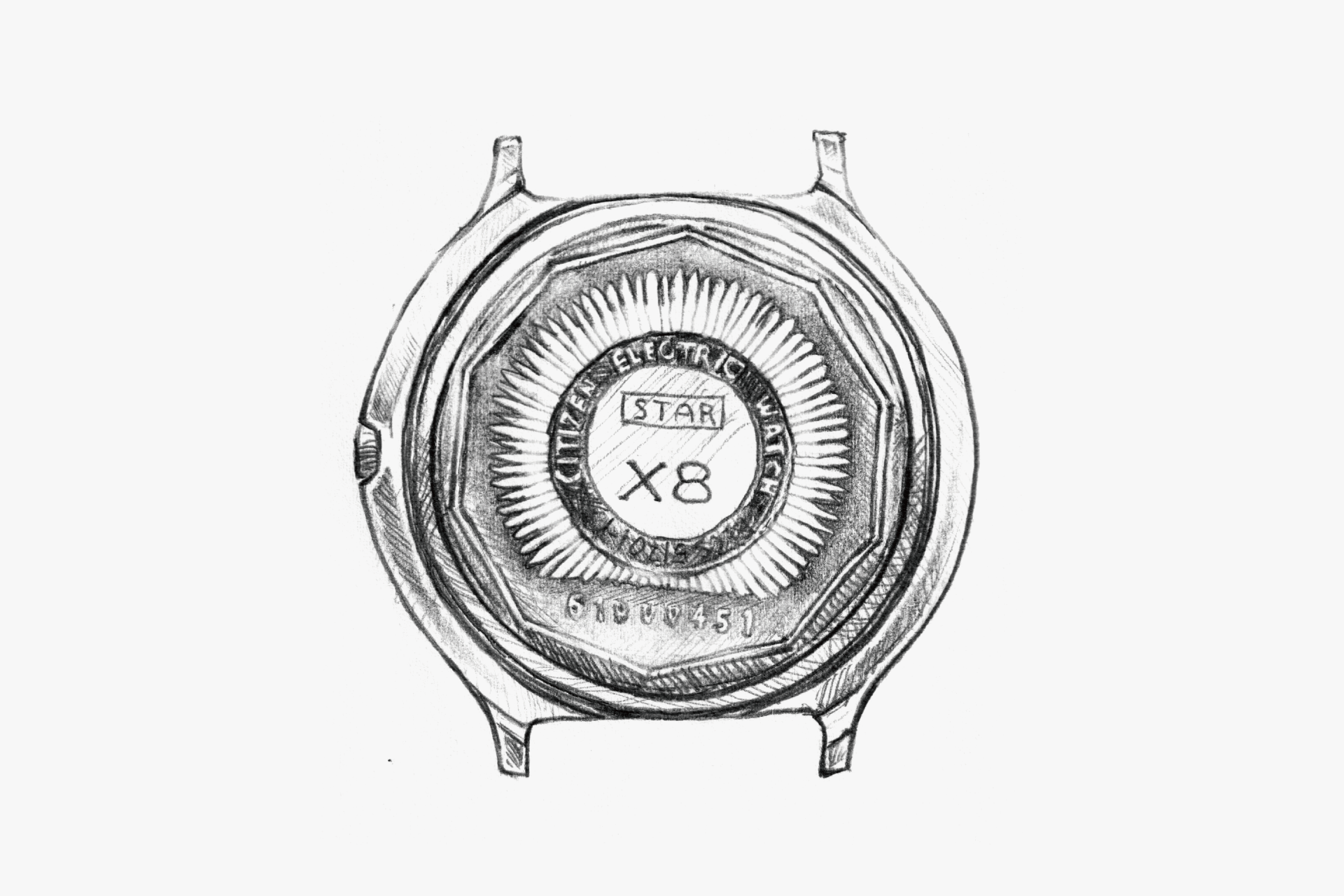
The case back features the meticulously crafted, symbolic X-8 engraving.
ENGINEER'S EYE
Became a Motor!
CITIZEN referred to the X-8’s drive system as the “balance wheel motor system.” In conventional mechanical watches, the power of the mainspring is transmitted through the gear train to the balance wheel, and the rotation speed of the gears is determined by synchronizing with the balance wheel’s natural oscillation frequency. This is why the balance wheel is sometimes called a regulating organ. By contrast, in the X-8, in addition to its traditional role as a regulator, the balance wheel also serves as a “motor,” with the gear train being driven by the force of the balance wheel.
As Japan’s first electronic watch, this model was developed primarily by members of the Technical Research Institute established in 1964. Because it required the development of new elements—button batteries, transistors, and permanent magnets—the project became a catalyst for the introduction of electronic technology into watch manufacturers and marked the starting point that would later lead to quartz development.
That does not mean, however, that traditional adjustment techniques for mechanical watches became unnecessary. Accurate timekeeping still depends on the quality of the balance wheel. Moreover, unlike drive systems powered by a mainspring, the balance wheel’s oscillation period is highly stable, leading to offerings that included officially certified chronometers and showcasing a superb fusion of old and new technologies. It was a product whose overall capabilities achieved a high level of refinement.