A best-selling, long-running model that has led the popularity of xC. Originally released as the world's smallest radio-controlled watch, "Minisol," it was designed with a floral motif. Delicate design touches inspired by flowers can be found throughout the lugs, dial, hands, and more, giving it a soft impression. It is also known for its excellent legibility and comfortable fit on the wrist, making it very approachable. While the case is adorably compact, it also features a bold design with a two-step bezel. Normally, a bezel might appear large, but the pink gold color of the second step stands out and tightens the overall look, so it doesn't feel out of place at all. The essence of this design, which combines delicate and bold elements, continues to be inherited by today's xC.
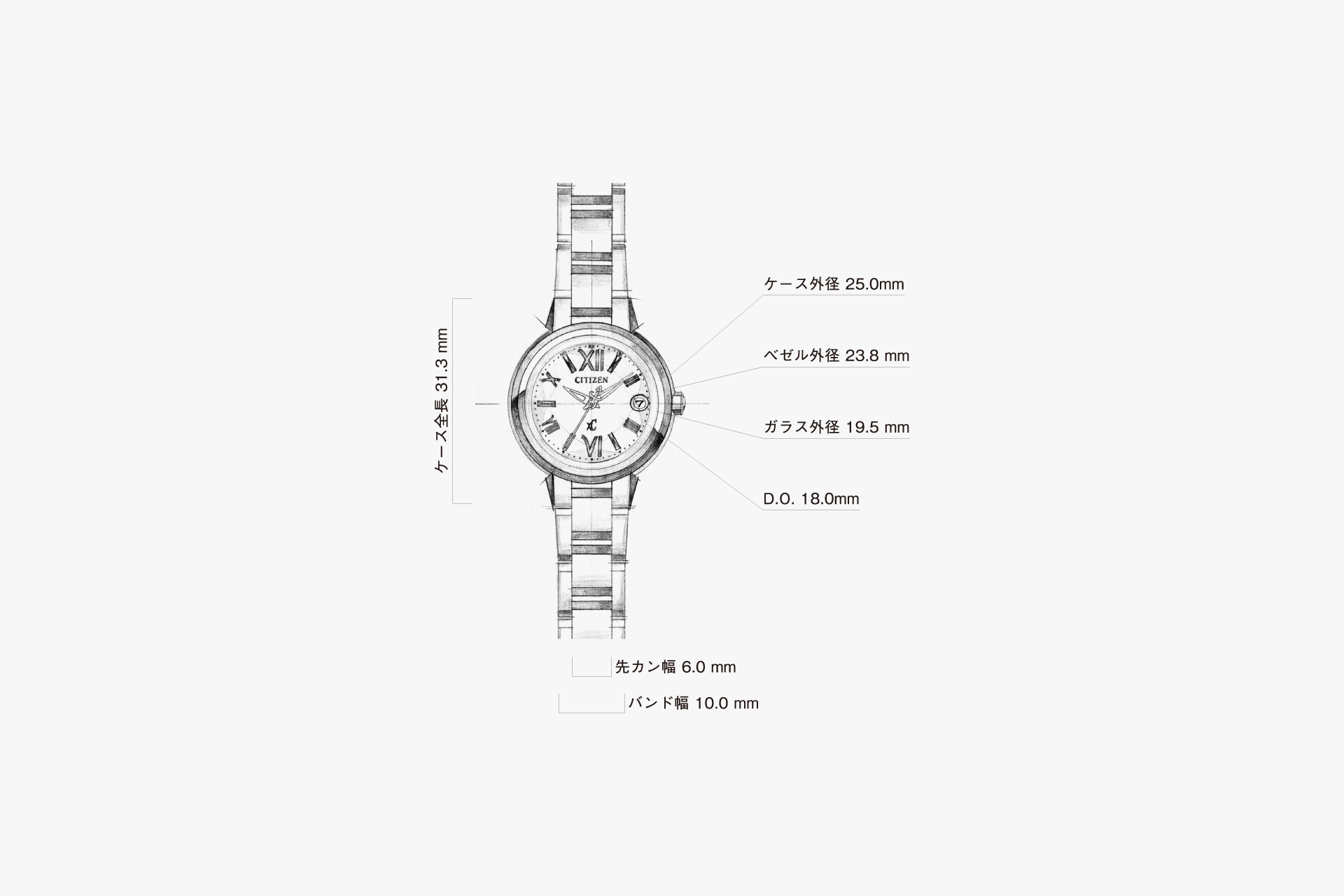
The Minisol series, which was the world's smallest radio-controlled watch at the time. Despite its small size, the design is well-balanced, with an easy-to-read dial and a harmonious combination of silver and pink gold.
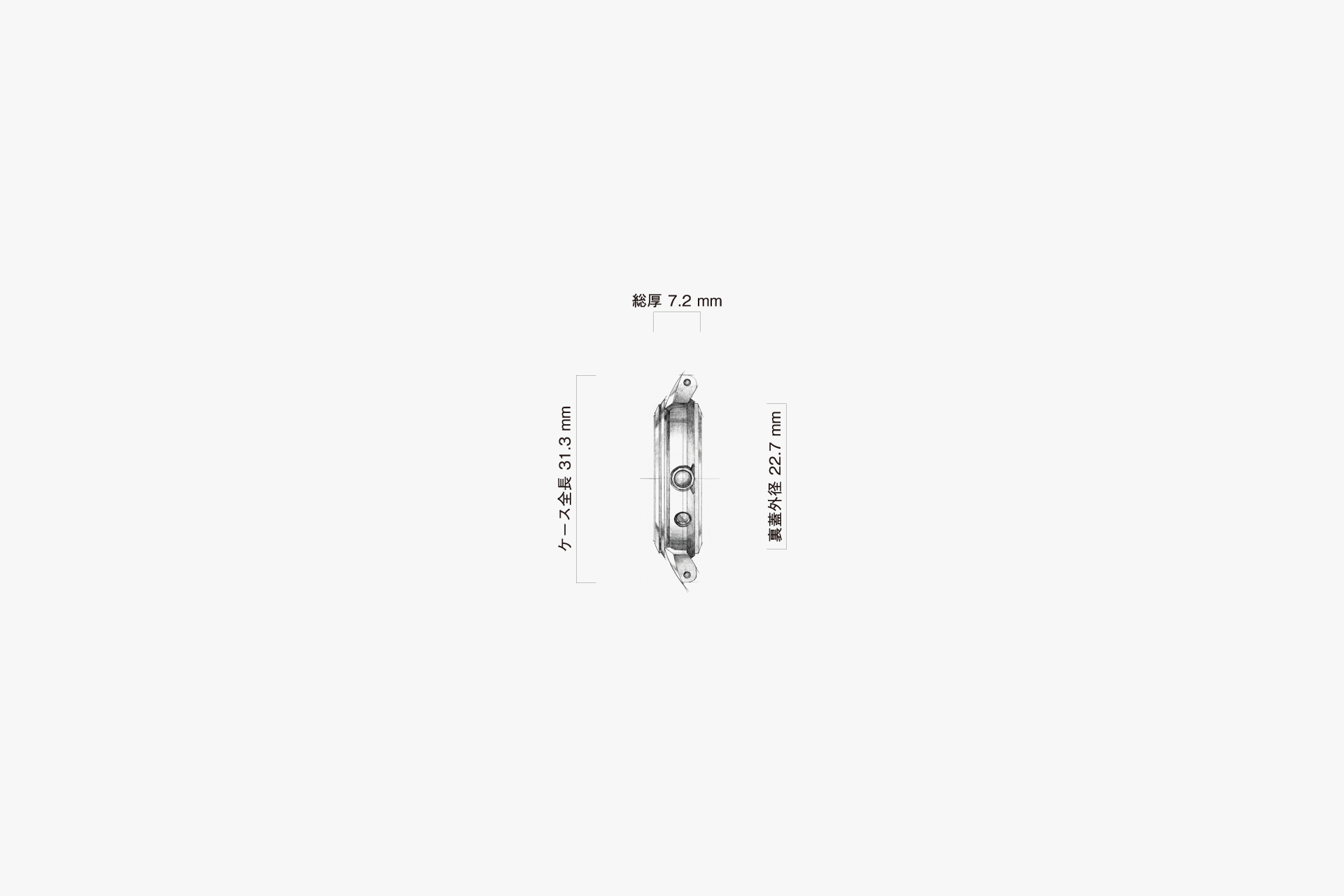
A design highlight is the sloped sides of the lugs.
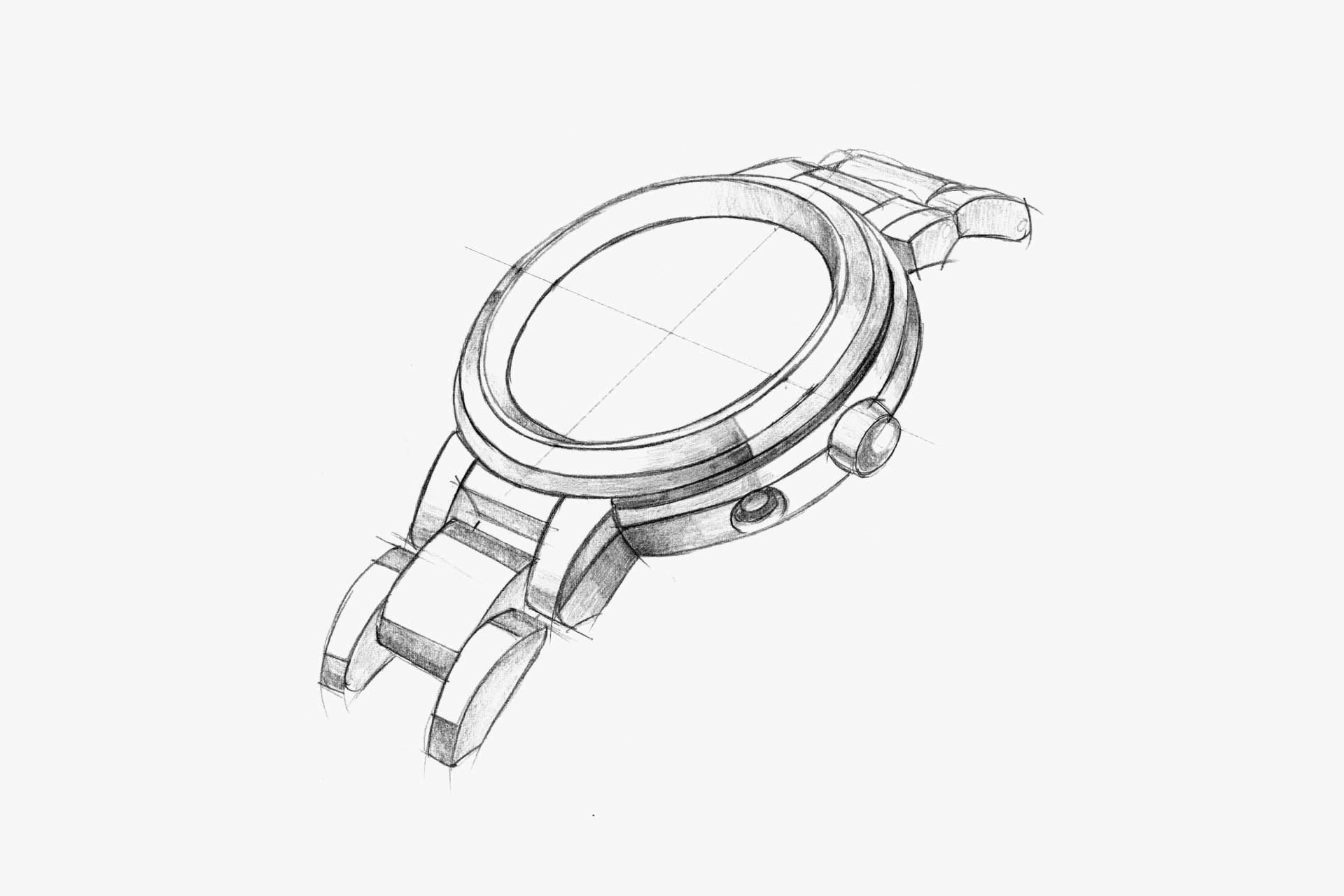
At first glance, the design appears simple and compact, but soft, flower-like touches are incorporated into the details, resulting in an elegant and graceful finish.
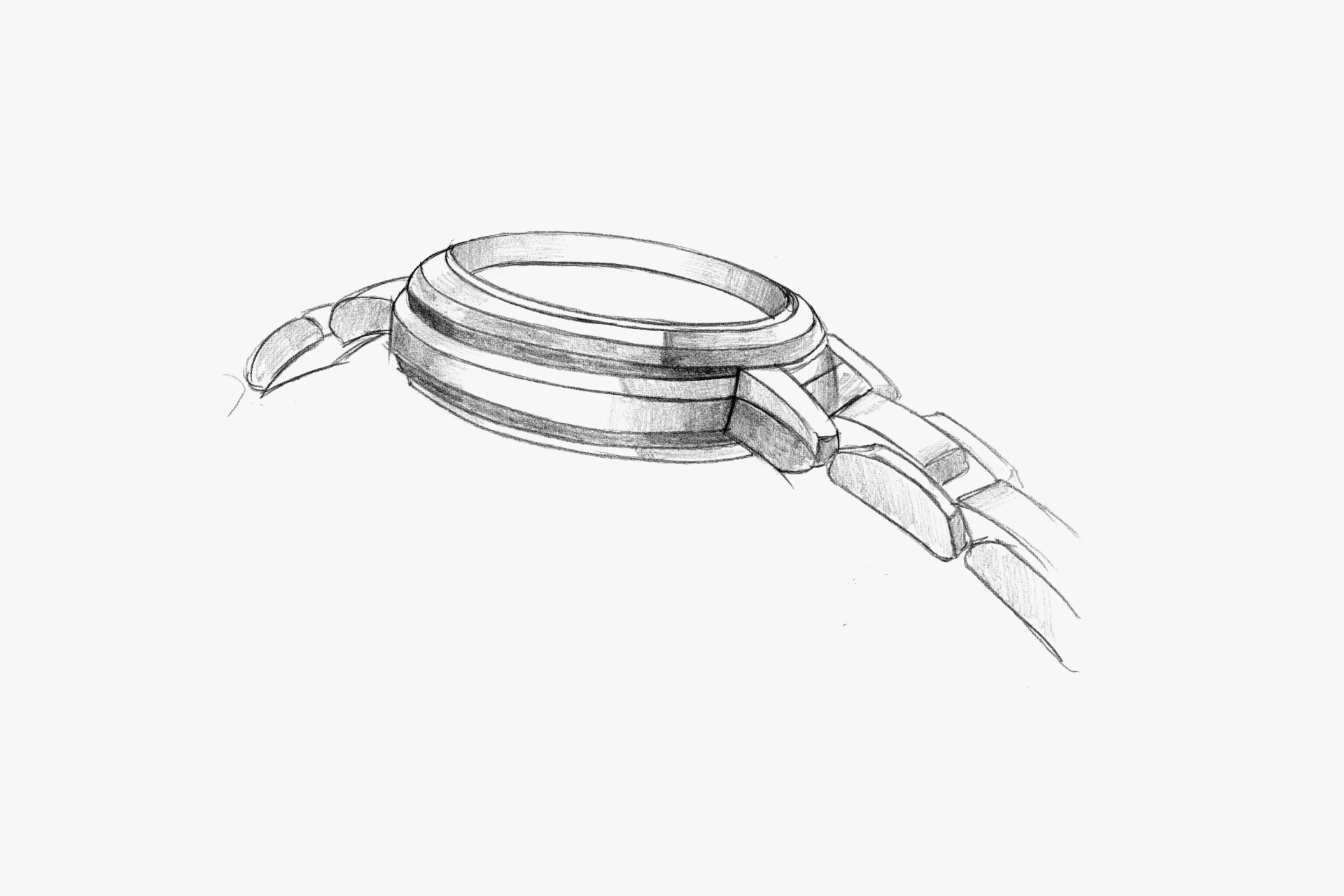
A bold two-step bezel. The pink gold shines brilliantly, tightening the overall balance.
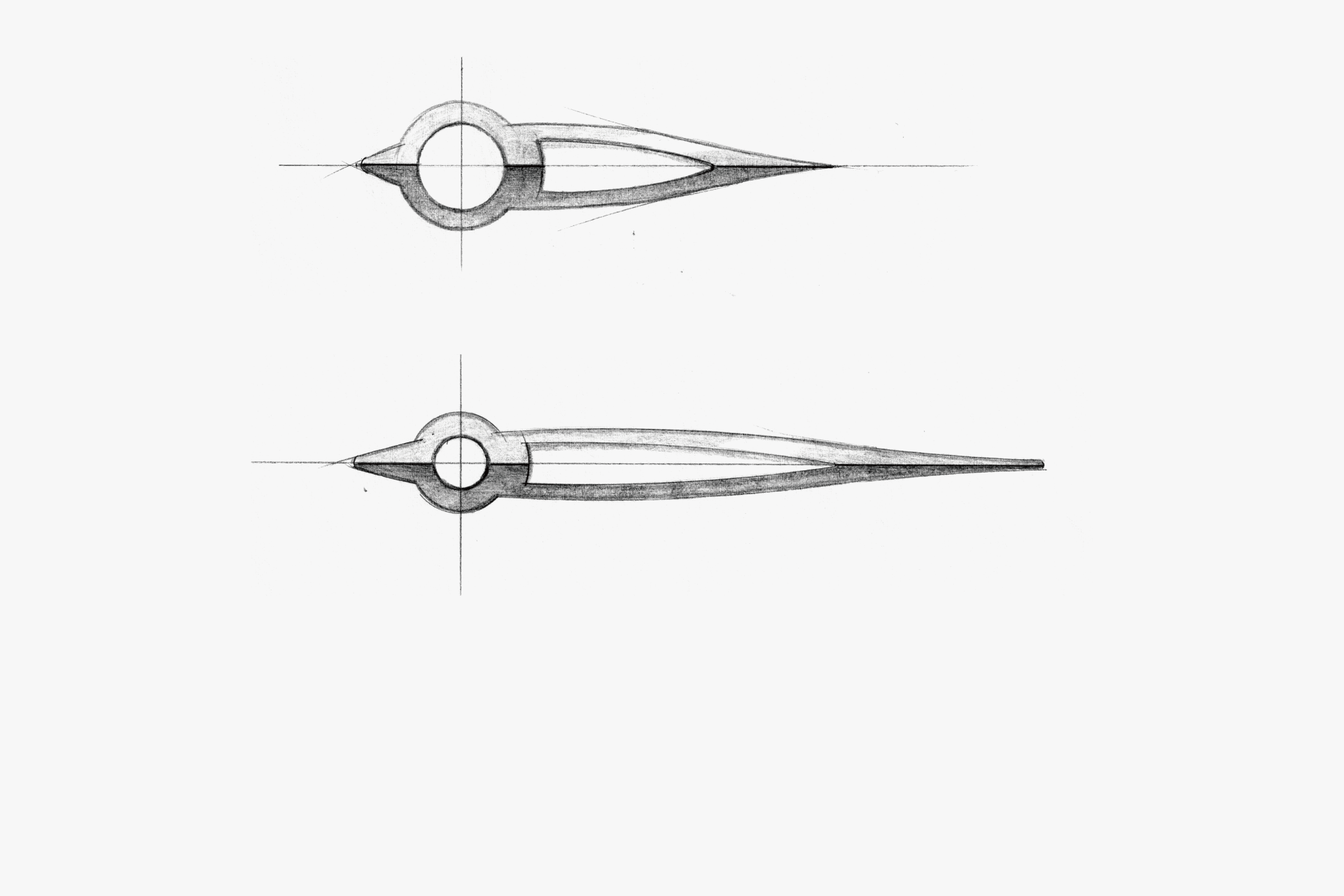
The hands are designed with smooth curves, inspired by flower buds, creating a beautiful look.
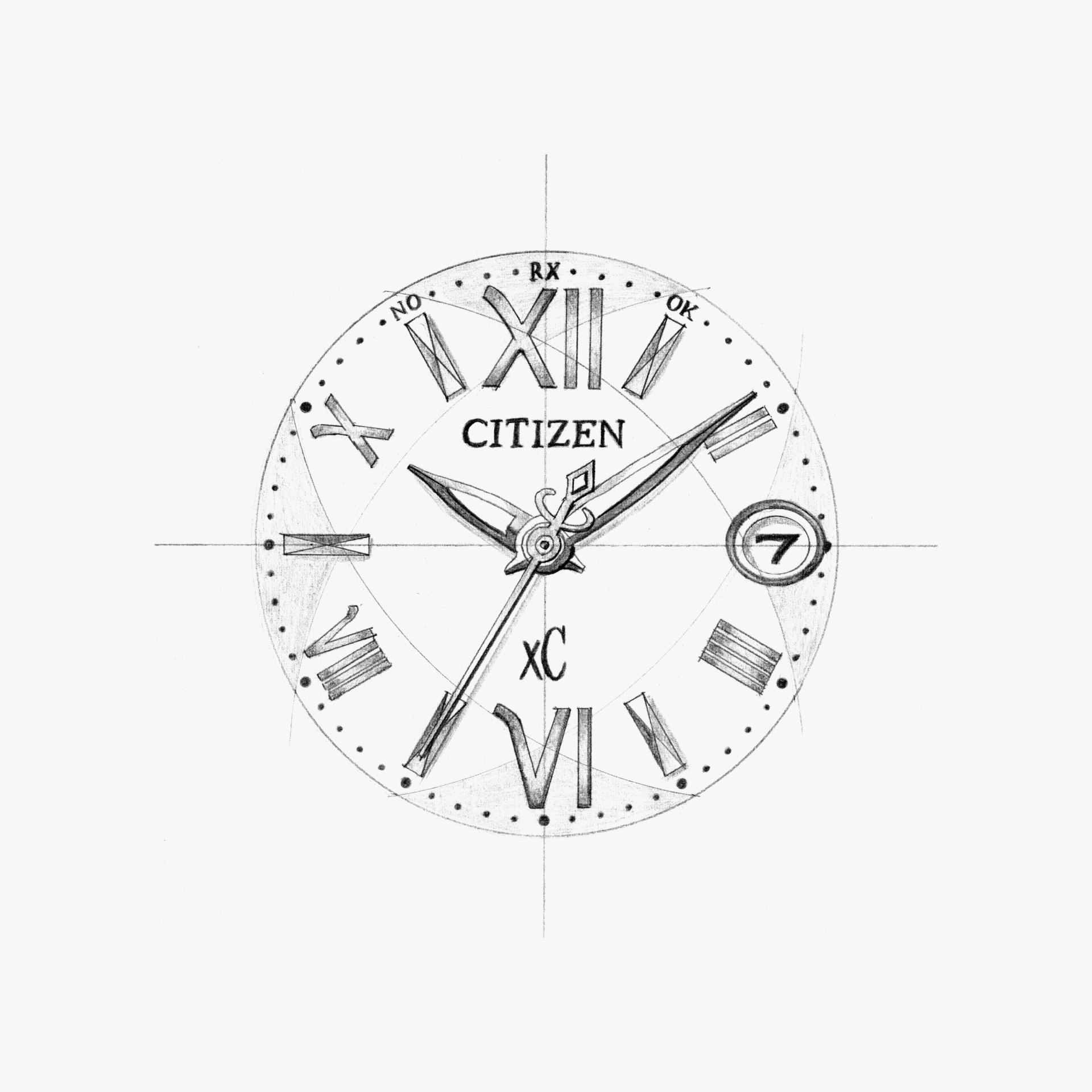
With large indexes, you can instantly check the time. The design maintains the essential element of a watch: legibility.

An original font with subtle curves at the tips.

A pattern inspired by overlapping petals. The pattern appears depending on the angle of the watch, giving a gorgeous impression.
ENGINEER'S EYE
Ultra-compact
At the time, it was the world’s smallest Eco-Drive radio-controlled movement. Development began to take on the ambitious challenge of shrinking from the then–world’s-smallest radio-controlled movement of φ20.8 mm down to φ18.5 mm, while adding a calendar display and a hands correction function.
The target product specifications were clear (with calendar, addition of a hand position adjustment function, and downsizing of the existing movement), but ensuring signal reception sensitivity with the reduced size was difficult. By resizing every element cultivated in our prior development, and through miniaturization across the board—such as thinning the circuit board, developing a dedicated small CPU, and adopting newly designed small parts—we brought the concept to fruition.