This model is equipped with CITIZEN’s standard chronograph watch layout movement, Cal.3510.
While various models featuring Cal.3510 have been released to the market with different design approaches by designers, this particular model stands out as a highly sophisticated design that makes the basic operations of the chronograph immediately clear to users at a glance.
The placement of the push buttons and the positions of the hands are designed so that users experience no stress when wearing the watch and using the chronograph functions. To ensure that the complex operations of the chronograph can be understood at a glance and to encourage instinctive and unconscious actions, each push button has a distinctive shape and size. The color scheme of the case, the asymmetrical styling, and every aspect of the design are unlike anything seen before.
These distinctive shapes, the mechanical component-like forms incorporated into the outer ring, and the four screws visible on the asymmetric case all serve as details that evoke the impression of a 'chronograph' as a 'precision machine,' completing the model’s design.
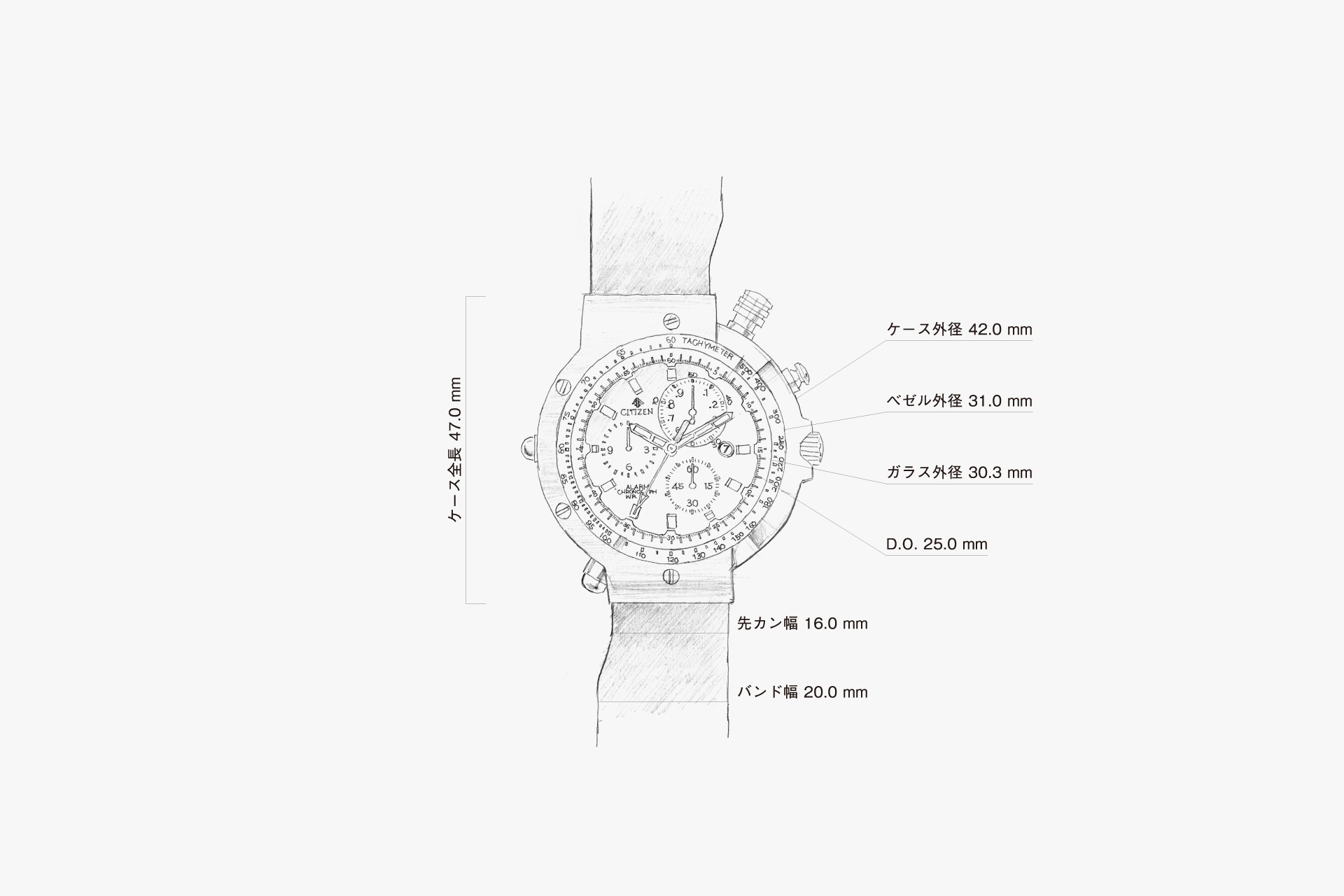
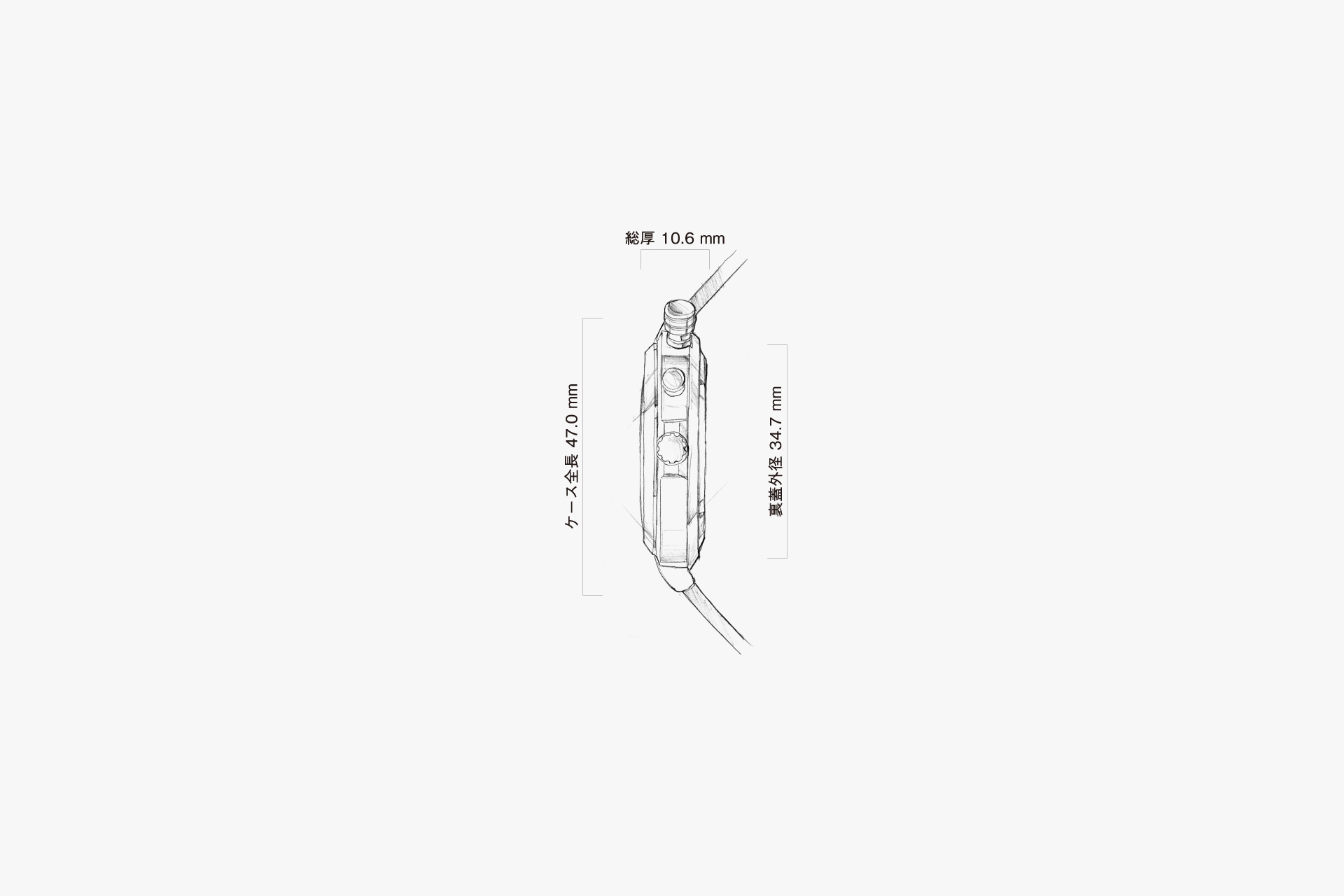
A model designed with maximum operability in mind. An affordance design that guides operation by giving each of the many buttons its own unique character.
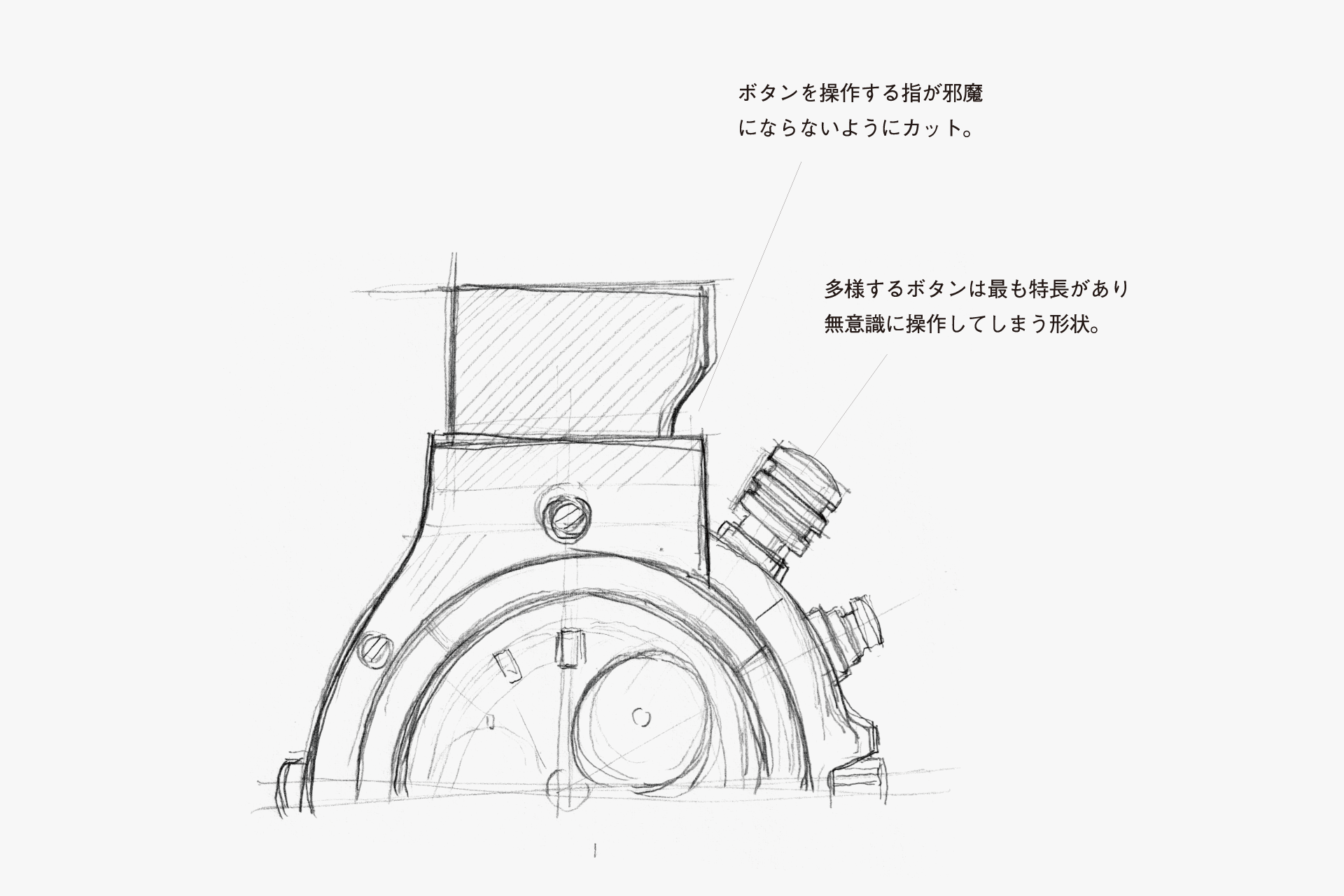
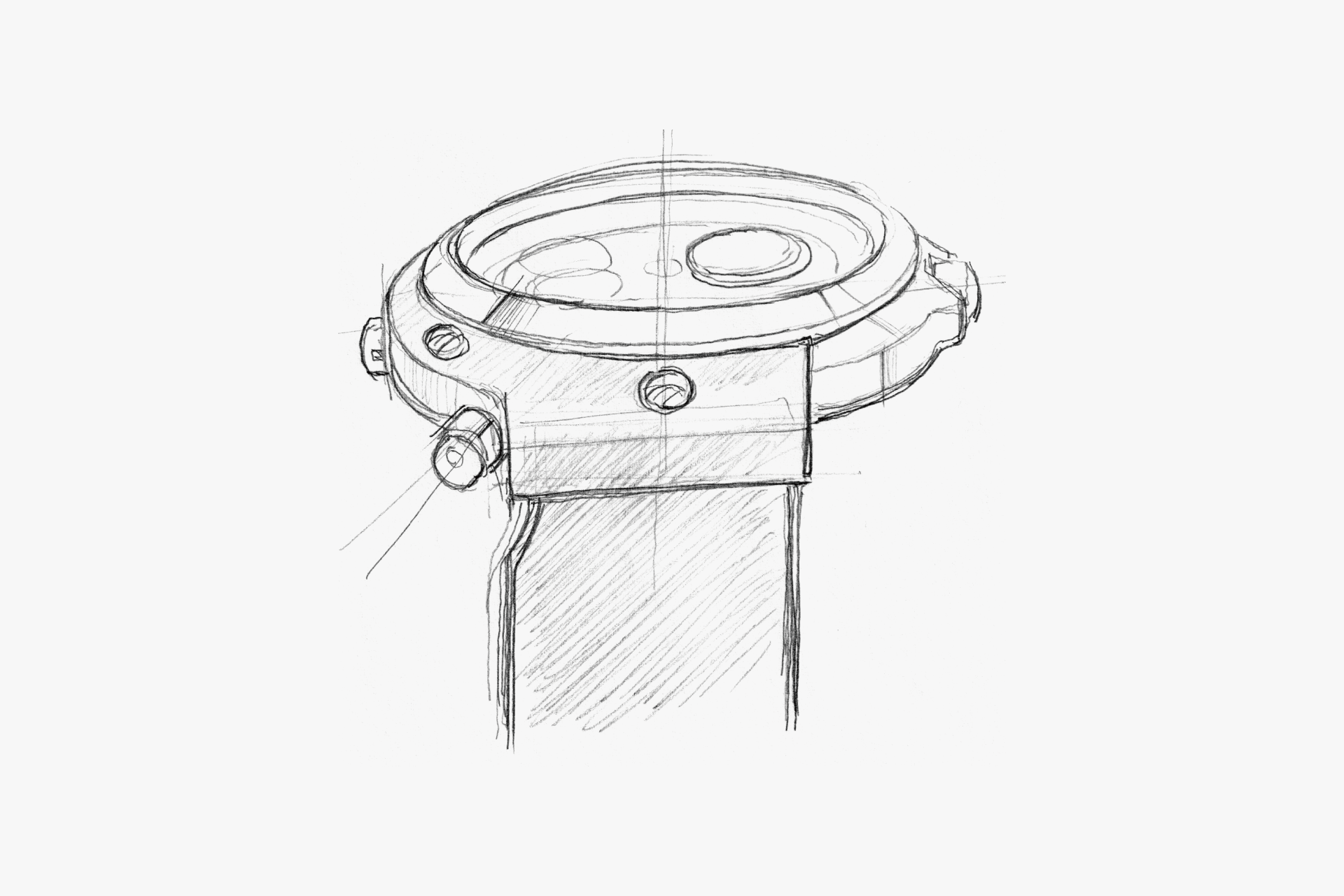
The notch in the band is shaped so that your finger does not get in the way when operating the buttons.
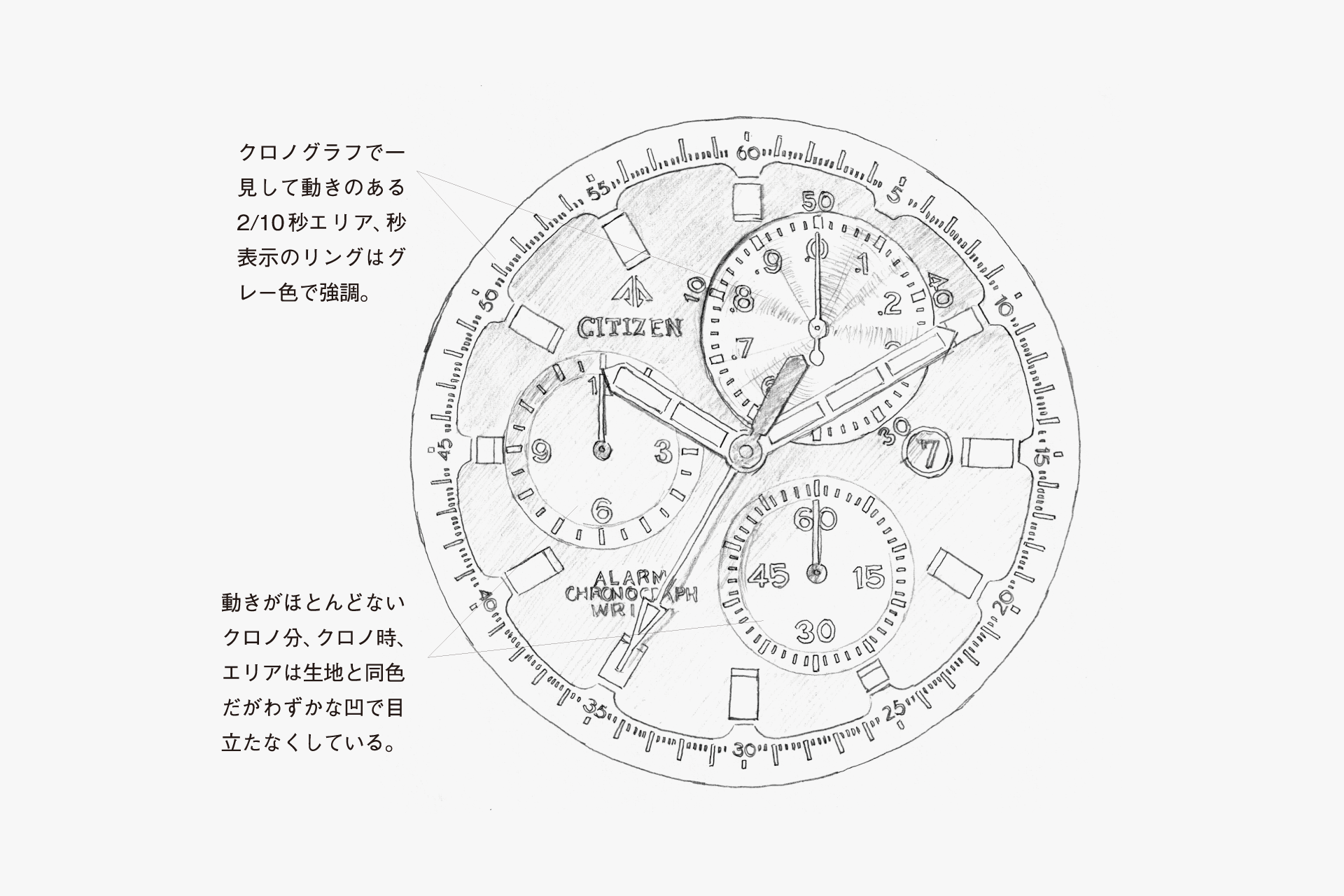
Although the chronograph dial is simple, the design emphasizes the areas where the movement of the hands is most noticeable, making them easy to see and guiding the user's eye movement. The outer ring incorporates mechanical component shapes to enhance the sense of precision of the chronograph.
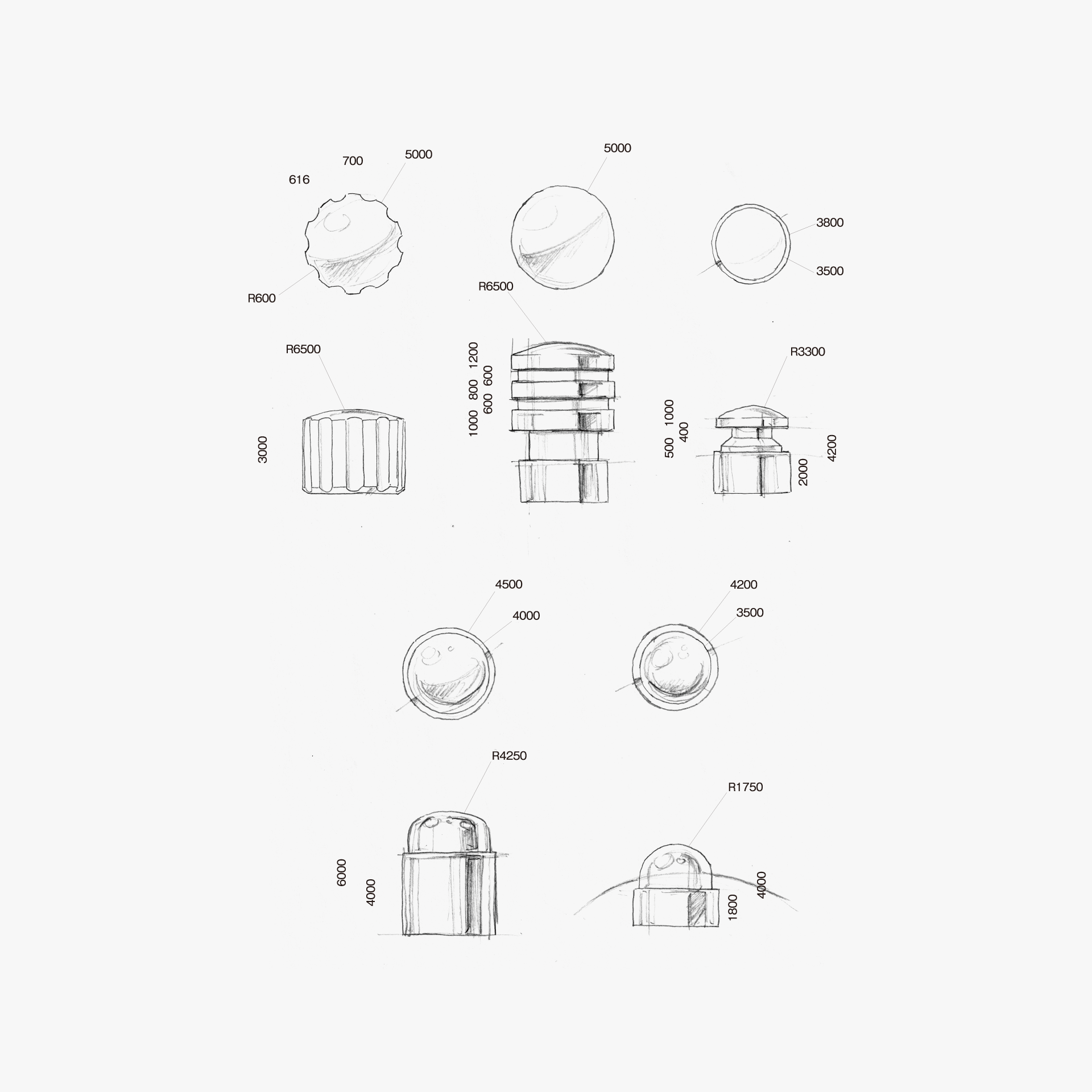
All surfaces of the push buttons that come into contact with the fingers are made smooth to ensure the user feels no stress.
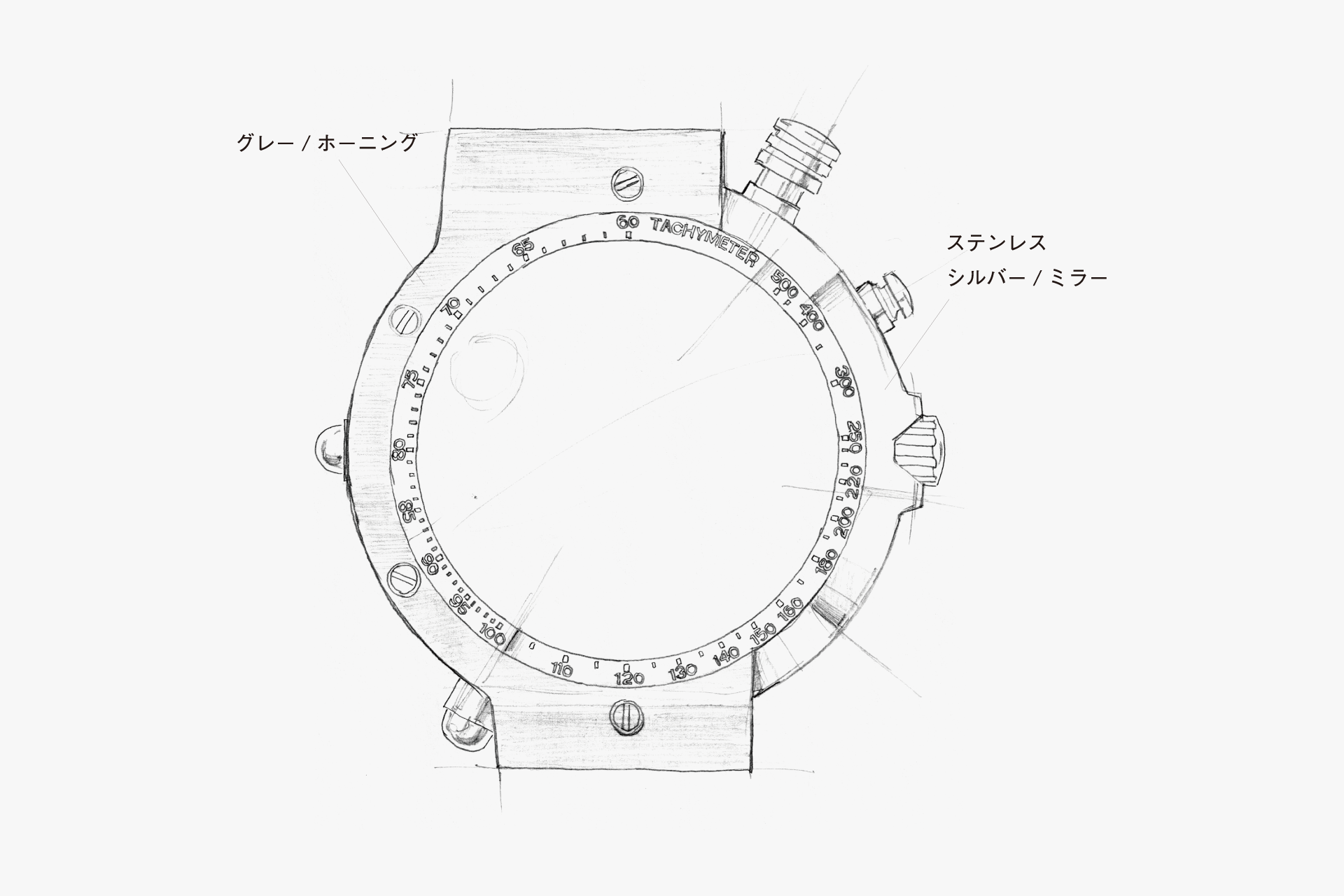
The gray color of the asymmetrical case, the contrast between sand-blast and silver polished finishes, and the four screws create a mechanical and sporty impression.
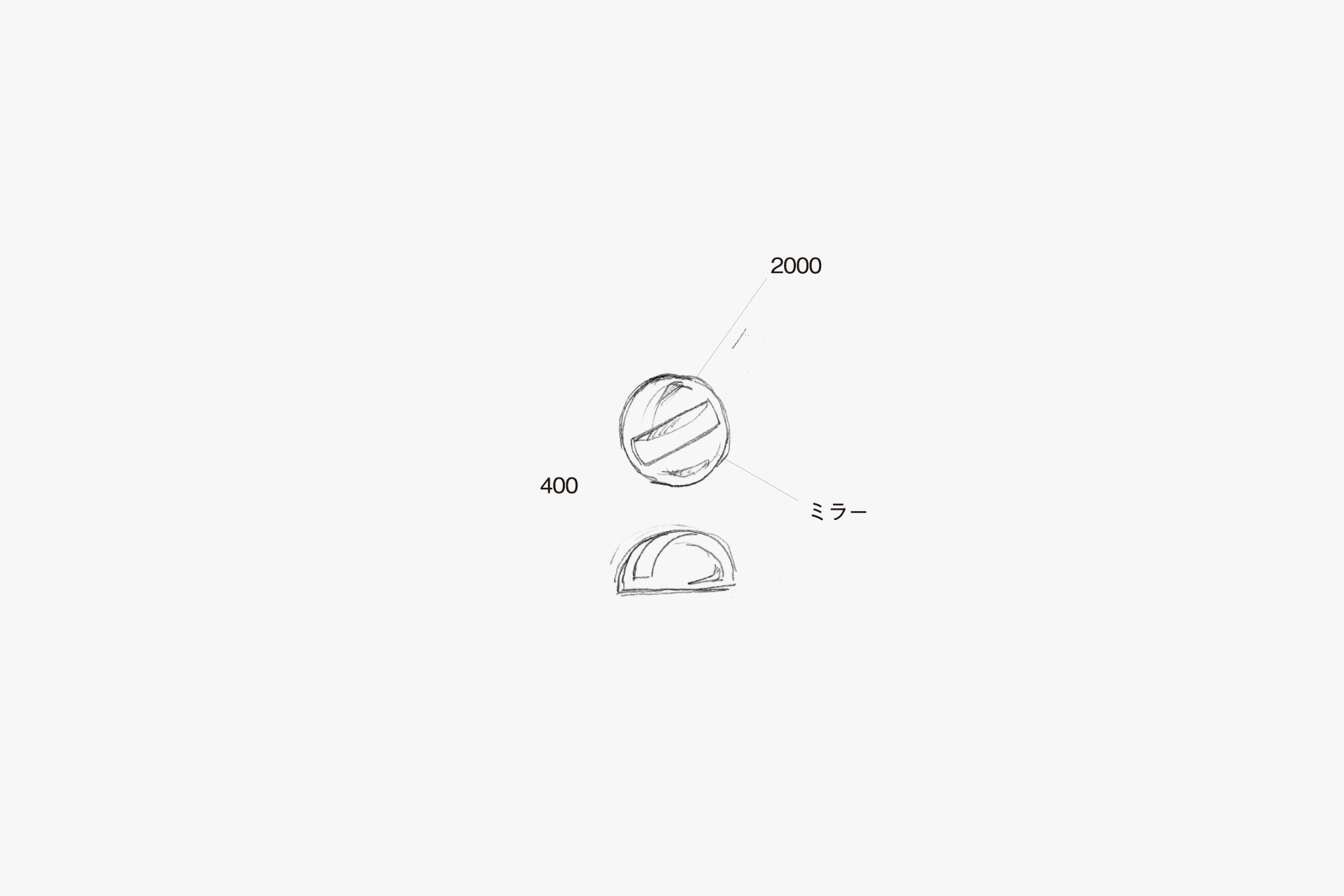
Four screws on the case
ENGINEER'S EYE
Asymmetry
This model reminded me of the power of design: by rotating the movement 30 degrees from its normal position and slightly altering the balance and color scheme of the dial, the design can feel so dramatically different.
On the other hand, to achieve this compelling design, both the push button at 1 o’clock—the start/stop button for the chronograph—and the polyurethane band had to be newly engineered specifically for this model. In the assembly process as well, the four push buttons each have a different shape, so great care was required to avoid mistakes.
The laterally asymmetric design realized through these technical efforts still leaves a striking impression even today.